

In the past, many healthcare facilities and households relied primarily on standard manual medical beds or traditional nursing beds to meet basic resting needs when caring for long-term patients. However, as the care period extends from days to months or even years, the limitations of traditional medical beds become apparent. Issues such as insufficient patient comfort, excessive physical strain on caregivers, inefficient position adjustments, and increased safety risks all significantly impact the quality of long-term care.
Patients requiring long-term care differ from typical hospital inpatients; they may spend upwards of 15 to 20 hours a day in bed. Reduced physical activity makes them prone to muscle weakness, joint stiffness, poor blood circulation, and localized pressure concentration. Maintaining a single position for extended periods also increases the risk of pressure ulcers. Consequently, in long-term care, the medical bed must serve not merely as a place to sleep, but as a vital piece of equipment that facilitates treatment, rehabilitation training, and care management.
Among the various types of medical beds available, electric medical beds have increasingly become a key solution for long-term patient care. Unlike manual models, electric medical beds utilize motor-driven systems to adjust the backrest, leg section, and overall bed height, making it easier for both patients and caregivers to perform necessary care tasks. A high-quality electric medical bed not only enhances patient comfort but also reduces the physical burden on caregivers and improves the overall efficiency of care within healthcare facilities.
This article provides a comprehensive analysis of the value of electric hospital beds in the context of long-term patient care requirements.
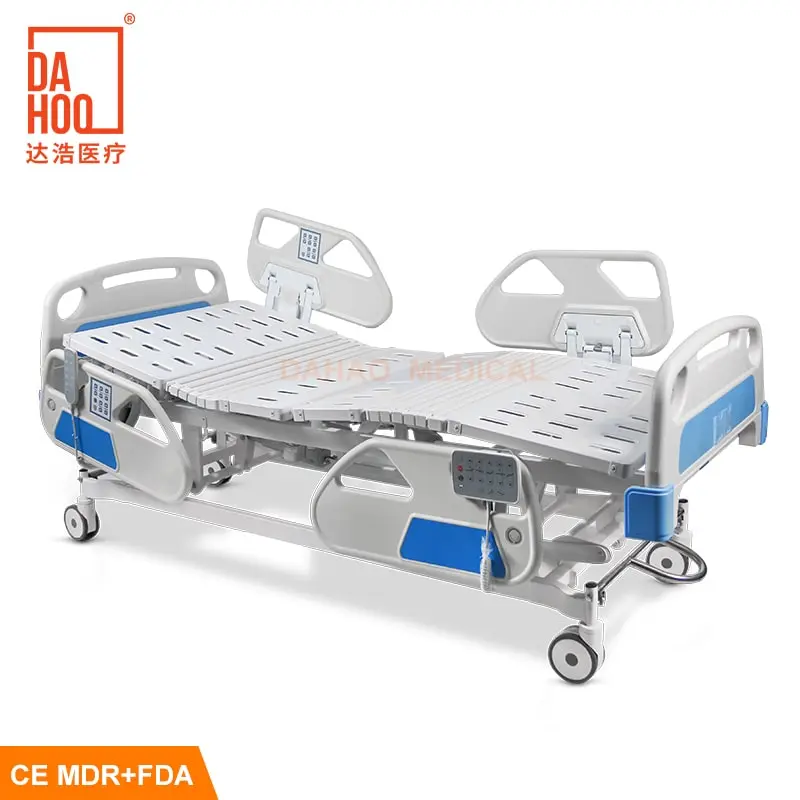
Long-Term Patient Care Places Higher Demands on Medical Beds
Many people view medical beds simply as upgraded versions of standard beds; in reality, however, the requirements for medical beds in long-term care settings far exceed those for ordinary furniture. Patients requiring long-term care need more than just a comfortable sleeping environment; they require a bed that facilitates daily care routines, rehabilitation exercises, and the management of their physical condition.
First, patients confined to bed for long periods require frequent position adjustments. Maintaining the same posture for an extended time causes certain parts of the body to endure continuous pressure. For instance, areas such as the back, buttocks, and shoulders are prone to concentrated pressure. Failure to adjust body position in a timely manner can compromise skin health. Consequently, medical beds require flexible adjustment capabilities, enabling caregivers to modify the patient's lying position based on their specific condition.
Secondly, long-term care requires minimizing the physical strain on caregivers. While sitting up is a simple task for those with normal mobility, paralyzed patients, the critically ill, or the elderly often require caregiver assistance to change positions. If a medical bed is difficult to adjust, caregivers must rely on manual lifting and repositioning; this is not only physically exhausting but can also cause patient discomfort.
Furthermore, long-term care must address the patient's psychological needs. Many patients confined to bed for extended periods experience a loss of autonomy, leading to feelings of dependency and psychological stress. If a medical bed allows patients to perform some position adjustments themselves—such as raising the backrest or shifting into a sitting position—it can boost their sense of participation and motivation for rehabilitation.
Thus, the demand for medical beds in modern long-term care has evolved from simple support functions to a need for comprehensive equipment that integrates comfort, safety, caregiving assistance, and intelligent adjustment.
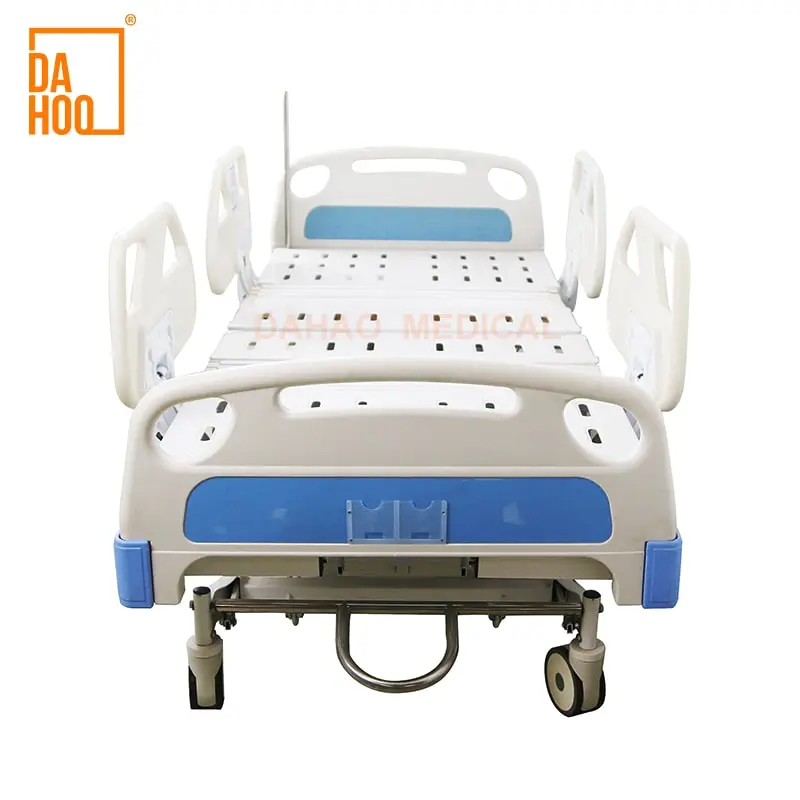
Why have electric hospital beds become the preferred choice for long-term care?
The core advantage of electric medical beds lies in their use of motor systems to replace traditional manual mechanical adjustments. Users can adjust the bed's configuration via a handheld remote or control panel, eliminating the need for caregivers to repeatedly operate mechanical cranks.
Electric medical beds currently on the market are primarily categorized by their motor configuration: two-motor, three-motor, and four-motor models. Different models cater to varying care requirements.
Two-motor electric beds typically offer backrest and leg-rest elevation, suitable for basic care needs. Three-motor beds add overall height adjustment to these features, further facilitating caregiver operations. Four-motor beds offer a wider range of functions and body positioning options, making them ideal for hospitals, rehabilitation centers, and high-dependency long-term care environments.
For long-term patients, the greatest value of an electric medical bed lies not merely in a specific feature, but in how automation reduces the difficulty of care and improves the overall experience of long-term use.
1. Automatic positioning for enhanced patient comfort
One of the most common issues for long-term bedridden patients is the inability to adjust their body position according to their needs. Standard beds cannot meet this requirement, whereas electric medical beds allow patients to change positions by adjusting to various angles.
For instance, patients often need to maintain a semi-seated or reclining position while eating. With an electric medical bed, caregivers can slowly raise the back section to position the patient at a more comfortable angle. Typically, the backrest angle can be adjusted within a range of approximately 30° to 70° as needed.
During rest, the backrest angle can be lowered to reduce physical strain on the body. If examinations or nursing procedures are required, caregivers can also adjust the bed height to make the tasks easier to perform.
Compared to manually moving a patient, electric hospital beds facilitate smoother movements, minimize physical pulling or tugging, and enhance safety during care.
2. Reducing caregiver workload
One of the greatest challenges in long-term care is the high volume of repetitive tasks.
Caregivers may need to perform the following daily:
•Helping patients sit up;
•Adjusting lying positions;
•Changing care supplies;
•Assisting with examinations;
•Repositioning patients.
Relying solely on manual effort for these tasks can lead to significant physical strain over time.
Electric medical beds utilize automatic adjustment functions to significantly reduce repetitive manual labor. For example, caregivers can adjust the bed height simply by pressing a control button, eliminating the need for prolonged bending or manual cranking.
For hospitals and elderly care facilities, this not only improves care efficiency but also lowers the risk of occupational injuries among staff.
3. Enhancing patient safety
Safety is a critical factor in long-term care.
Electric medical beds are typically equipped with various safety features, such as:
•Anti-pinch mechanisms;
•Safety side rails;
•Emergency lowering functions;
•Power protection systems;
•Lockable casters.
Among these, bed height adjustment is particularly important for patient safety.
If the bed surface is too high when a patient is getting in or out, the risk of falling increases; conversely, if the bed is too low during care procedures, it can place strain on the caregiver's lower back. Therefore, thanks to their height-adjustment capabilities, electric medical beds can be positioned appropriately to suit various scenarios.
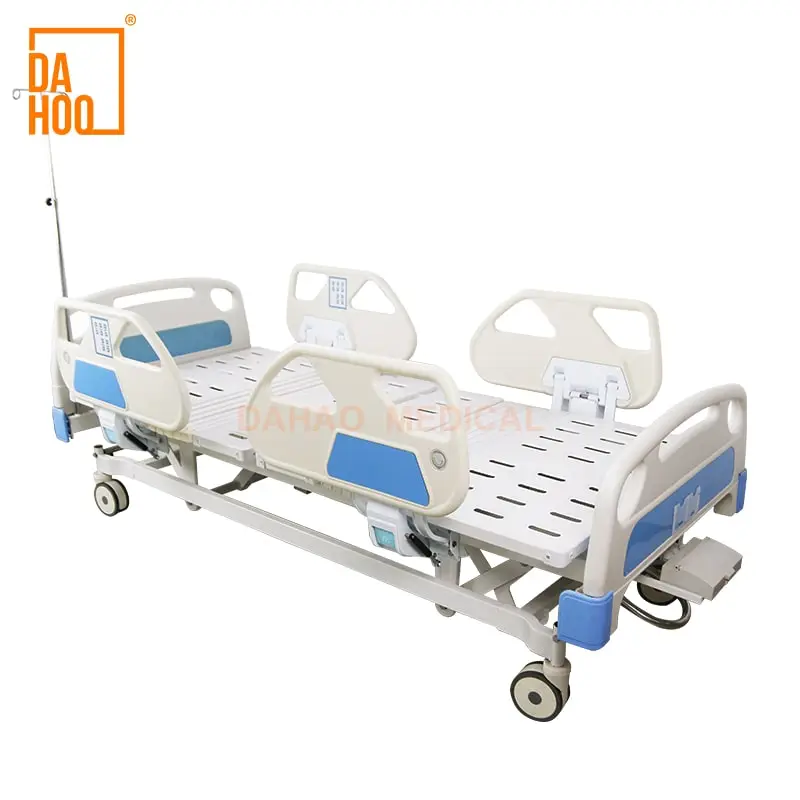
How do electric medical beds improve the quality of long-term patient care?
Long-term care focuses not only on patient safety but also on quality of life. Electric hospital beds enhance the caregiving experience in several ways.
First, they help patients maintain a greater degree of autonomy. Although some patients may be unable to walk, they often retain the ability to operate controls. Using a handheld remote, they can adjust their position—switching between sitting and lying down—to suit their needs, thereby increasing convenience in their daily lives.
Second, electric medical beds support rehabilitation training. For instance, patients recovering from illness may need to gradually regain the ability to sit up; adjusting the bed angle allows for progressive training exercises.
Third, electric medical beds improve the efficiency of caregiving workflows. In medical facilities, efficiency directly impacts service quality. By spending less time on manual mechanical adjustments, caregivers can devote more energy to monitoring the patient's condition and communicating with them.
How should electric medical beds be selected for different long-term care settings?
While electric medical beds are well-suited for long-term care, specific product requirements vary depending on the environment.
1. Home-based long-term care
Home care settings typically prioritize ease of use, space adaptability, and ease of maintenance.
Electric medical beds for home use generally do not require overly complex features but should offer basic adjustment capabilities, such as backrest elevation, leg adjustment, and height adjustment.
For patients who are bedridden for extended periods, the bed can be paired with:
•Pressure-relieving mattresses;
•Adjustable side rails;
•Patient transfer aids.
These additions create a more comprehensive home care solution.
2. Hospital long-term care wards
Hospitals have more rigorous requirements for electric hospital beds due to high usage frequency and the diverse needs of the patient population.
Hospitals typically prioritize:
•Bed stability;
•Load-bearing capacity;
•Performance during continuous operation;
•Ease of cleaning and maintenance.
Some medical facilities opt for three-motor or four-motor electric medical beds to accommodate the varying needs of different patients.
3. Elderly care facilities
Elderly care facilities serve a large number of seniors requiring long-term care, so they need equipment that is reliable and durable. Since elderly individuals may use medical beds for extended periods each day, the product needs to be:
•Simple to operate;
•Safe and stable;
•Easy to maintain;
•Highly comfortable.
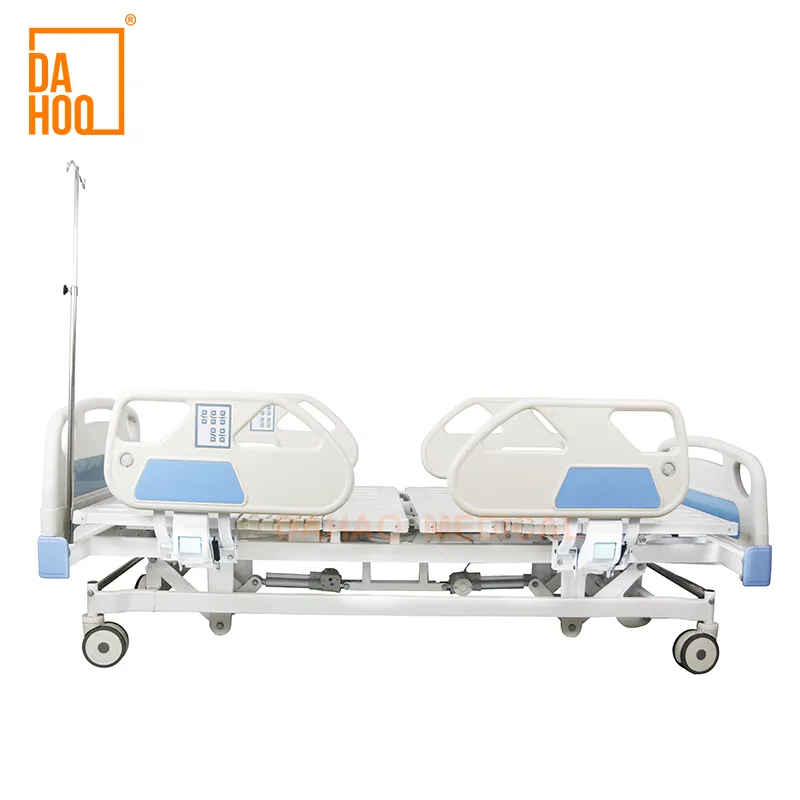
FAQ: Common Questions About Electric Medical Beds for Long-Term Patient Care
Q1: Do patients who are bedridden for long periods necessarily need an electric medical bed?
Not all patients require an electric hospital bed; however, for those who are bedridden long-term, need frequent position adjustments, or require caregiving assistance, electric medical beds can significantly improve comfort and caregiving efficiency.
Q2: What is the main difference between an electric medical bed and a standard medical bed?
The primary difference lies in the adjustment mechanism. Standard medical beds rely mainly on manual operation, whereas electric medical beds use motors to automatically adjust the backrest, leg section, and bed height, making them much more convenient to use.
Q3: Are electric medical beds suitable for long-term home care?
Yes, they are suitable. For elderly individuals who are bedridden, patients with limited mobility, and those in rehabilitation, using an electric medical bed at home can reduce the burden on family caregivers and improve the patient's quality of life and convenience.
Q4: What is the typical weight capacity of an electric hospital bed?
Common electric hospital beds have a weight capacity ranging from approximately 150 kg to 250 kg, though this varies by model. When purchasing, the choice should be based on the patient's weight and long-term usage requirements.
Q5: Do electric medical beds require professional personnel to operate?
Most electric medical beds are simple to operate; basic adjustments can be made using a handheld controller. Caregivers can become proficient in their use after only brief training.
