

In the past, when faced with the need for long-term bed rest for the elderly, many families opted for standard beds or basic nursing beds. However, as usage continued, the limitations of traditional beds regarding height adjustment, postural changes, safety features, and ease of care became apparent.
For instance, standard beds cannot adjust their angle to suit the elderly person's physical condition, and lying flat for extended periods can cause physical discomfort. When the elderly wish to eat, read, or socialize, they require assistance from family members to sit up, which increases the burden of care. Furthermore, because the bed height is fixed, caregivers often have to bend over for long periods while washing, changing clothes, or turning the patient, leading to fatigue in the lower back, shoulders, and neck. Additionally, for elderly individuals with limited mobility, the risk of falling while getting in or out of bed is a significant concern in home care.
Against this backdrop, hospital beds—specifically electric adjustable models—have emerged as a key solution in elderly care. Unlike traditional beds, electric adjustable hospital beds utilize motor-driven systems to allow for flexible adjustments to the backrest, leg rest, and overall bed height. This enables the elderly to change their posture according to their daily needs while allowing caregivers to perform their duties more efficiently and safely.
So, what kind of hospital bed is truly suitable for the elderly? Why are more families, elderly care facilities, and medical institutions turning their attention to electric adjustable hospital beds? This article provides a detailed analysis covering industry pain points, product features, comfort, safety, and purchasing criteria.
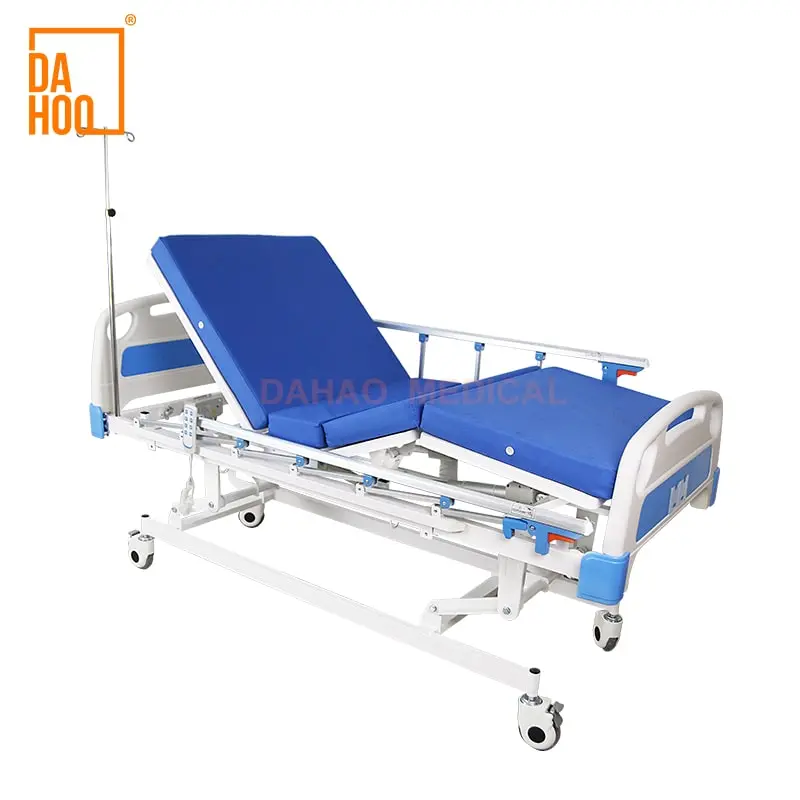
Pain Points of Traditional Hospital Beds in Elderly Care
Hospital beds were initially used primarily in hospital environments, with the core objective of assisting medical staff in completing patient treatment and care. However, with the rising demand for home-based care, community-based care, and long-term nursing, the application of hospital beds has expanded beyond medical institutions to homes and elderly care facilities. Consequently, user expectations have shifted from mere functionality to a desire for greater comfort, safety, and smart features.
While traditional manual hospital beds offer simple construction and relatively low prices, they have certain limitations during long-term use. First, the adjustment mechanisms are often inconvenient. Some manual beds require a hand crank to adjust the angle of the backrest or leg rest, a task that can be difficult for elderly users with limited physical strength. If an elderly person needs to change positions frequently throughout the day, manual adjustment becomes a burdensome chore. Secondly, caregiving efficiency is relatively low. Elderly individuals who are bedridden for extended periods often require various forms of daily care, including assistance with eating, hygiene, changing clothes, and repositioning. With hospital beds of fixed height, caregivers frequently have to bend over for prolonged periods while performing tasks; this not only hampers efficiency but also leads to physical fatigue.
Furthermore, traditional beds fail to accommodate the postural needs associated with the elderly's various daily activities. For instance, they may need to sit up to eat, recline partially to rest, or adjust the backrest angle for reading or interacting with family. Without a bed capable of flexible adjustment, one must rely on multiple pillows for support—a method that lacks stability and offers limited comfort over time. Consequently, traditional hospital beds struggle to meet modern caregiving requirements for the elderly, driving the ongoing development of electric adjustable hospital beds.
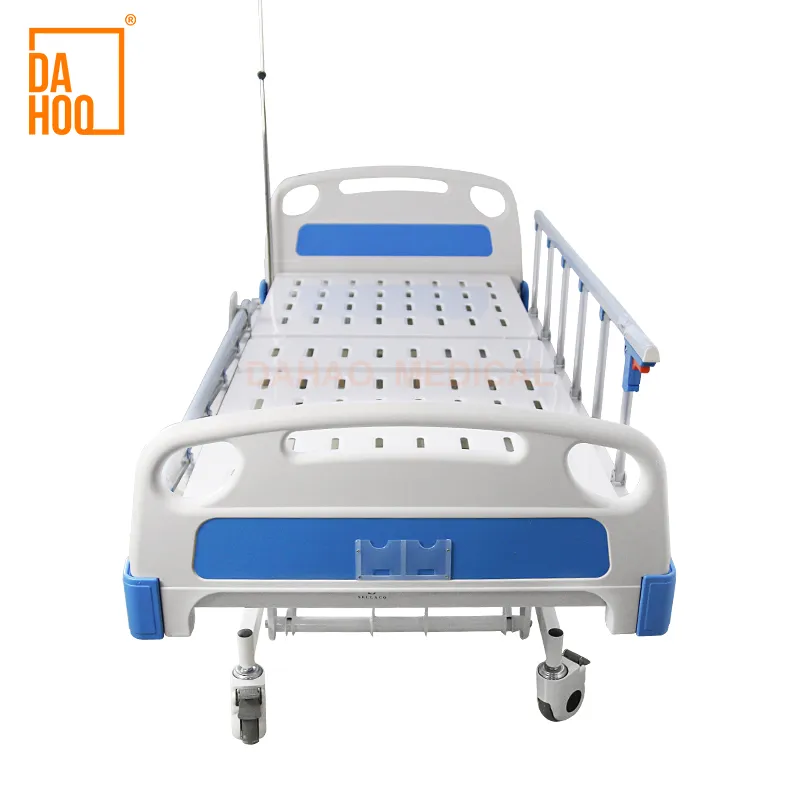
Why are electric adjustable hospital beds better suited for the elderly?
The defining feature of electric adjustable hospital beds is the use of a motorized system—rather than manual adjustment—to enable precise and convenient changes in bed positioning. Current market offerings typically include functions such as backrest elevation, leg elevation, and overall height adjustment; some premium models even feature turning assistance, whole-bed tilting, and smart control capabilities.
For elderly users, these features offer more than just operational convenience; crucially, they enhance comfort during long periods of bed rest.
First, the backrest elevation function allows the elderly to transition from a fully flat position to a semi-seated one. This enables them to eat, watch television, read, or socialize with family without needing others to physically lift them up; adjustments can be made simply by using a remote control. This not only fosters greater independence for the elderly but also alleviates the physical strain on family members who would otherwise need to frequently reposition them.
Second, the leg adjustment function improves leg support. Maintaining the same posture for extended periods often leads to physical fatigue; adjusting the leg angle allows the elderly to find a more comfortable resting position, thereby enhancing their overall experience while in bed.
Additionally, the overall height adjustment function is a key design feature distinguishing electric adjustable hospital beds from standard nursing beds. The bed height can be modified to suit different scenarios—for example, lowering the bed surface makes getting in and out safer for the elderly, while raising it allows caregivers to perform cleaning or nursing tasks without the strain of constant bending. Currently, the height adjustment range for many electric hospital beds is typically around 40–80 cm, allowing them to meet the needs of various users and care environments.
What aspects define comfort when elderly individuals choose a hospital bed?
For elderly users, comfort goes beyond a soft mattress; it encompasses body support, postural adjustment, safety features, and the overall long-term user experience. A hospital bed truly suitable for the elderly requires a comprehensive design that addresses multiple factors.
First, multi-functional adjustability is crucial. Elderly individuals have varying physical conditions; some require a wider range of postural changes, while others prioritize ease of operation. Consequently, electric hospital beds are often categorized by the number of functions they offer, such as two-function, three-function, and five-function models.
| Function Configuration | Main Purpose |
| Backrest Adjustment Function | Helps elderly users sit up, eat, read, and improves convenience in daily activities |
| Leg Elevation Function | Provides leg support and improves comfort during long-term bed rest |
| Overall Height Adjustment Function | Adjusts bed height for easier transfers, getting in and out of bed, and nursing care operations |
| One-Touch Reset Function | Quickly returns the bed to a flat position and improves ease of use |
| Safety Side Rail Design | Helps prevent falls when elderly users turn over or move in bed |
For general home care, a three-function electric hospital bed usually meets most needs; however, if the user requires more complex care—such as for long-term bedridden status or rehabilitation—models with a broader range of functions may be considered.
Second, the design of the bed surface height is a key factor influencing comfort. Many elderly individuals are not completely immobile but face difficulties when sitting up, standing, or getting in and out of bed. If the bed is too high, their feet may not touch the ground firmly while sitting on the edge, increasing the risk of losing balance; conversely, if the bed is too low, rising from it places excessive strain on the legs. Therefore, electric hospital beds with height adjustment capabilities can be tailored to the individual's physical condition, thereby enhancing safety.
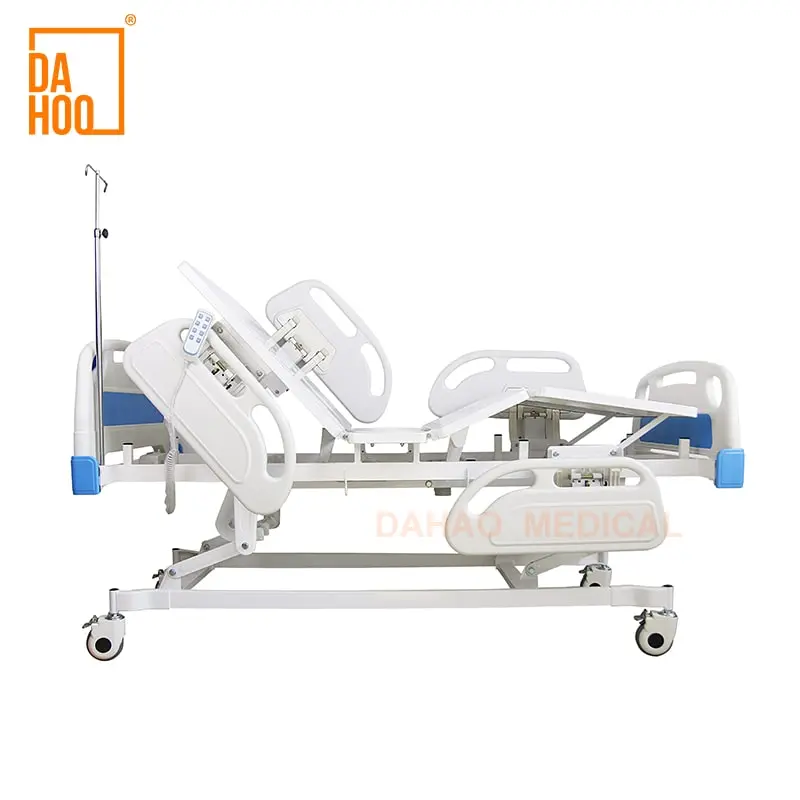
How do electric hospital beds address pain points in the caregiving industry?
A major challenge currently facing the elderly care sector is the conflict between rising care demands and a shortage of caregivers. Caring for long-term bedridden seniors, in particular, involves repetitive manual tasks that consume significant time and physical energy.
In traditional care settings, family members or caregivers must frequently assist the elderly with postural changes. For instance, they must manually help the senior sit up for meals, assist with turning over when the senior is uncomfortable, and constantly adjust their body position. These tasks not only increase the difficulty of caregiving but also risk causing discomfort to the senior if handled improperly.
Electric hospital beds help mitigate these issues through their automated adjustment features. For example, when an elderly person is eating, the backrest angle can be adjusted via remote control to maintain a more natural sitting posture; during caregiving, the bed height can be raised so caregivers can work in a more comfortable position; and when the elderly person is resting, the bed angle can be adjusted as needed to improve sleep quality.
For elderly care facilities, electric hospital beds enhance care efficiency, allowing staff to organize their work more effectively. For home users, these beds reduce the burden on family caregivers and increase the elderly person's independence.
How do you choose the right electric adjustable hospital bed for an elderly person?
Overall, the most comfortable bed for an elderly person is not necessarily the one with the most features or the highest price tag, but rather the one that truly meets their physical condition and caregiving needs.
If the bed is for short-term rehabilitation, a basic electric model may suffice; however, if long-term bedridden care is required, priority should be given to features such as height adjustment, safety side rails, motor stability, and long-term comfort.
When selecting an electric adjustable hospital bed, consider the following key aspects:
First, does it offer independent adjustment for the back and legs? Second, does it support overall height adjustment to facilitate getting in and out of bed and performing care tasks? Third, is the bed structure stable and suitable for long-term use? Fourth, is the control system simple and easy to operate? Fifth, does the manufacturer provide comprehensive after-sales service?
An excellent electric adjustable hospital bed should meet three goals: comfort for the elderly, convenience for caregivers, and long-term safety.
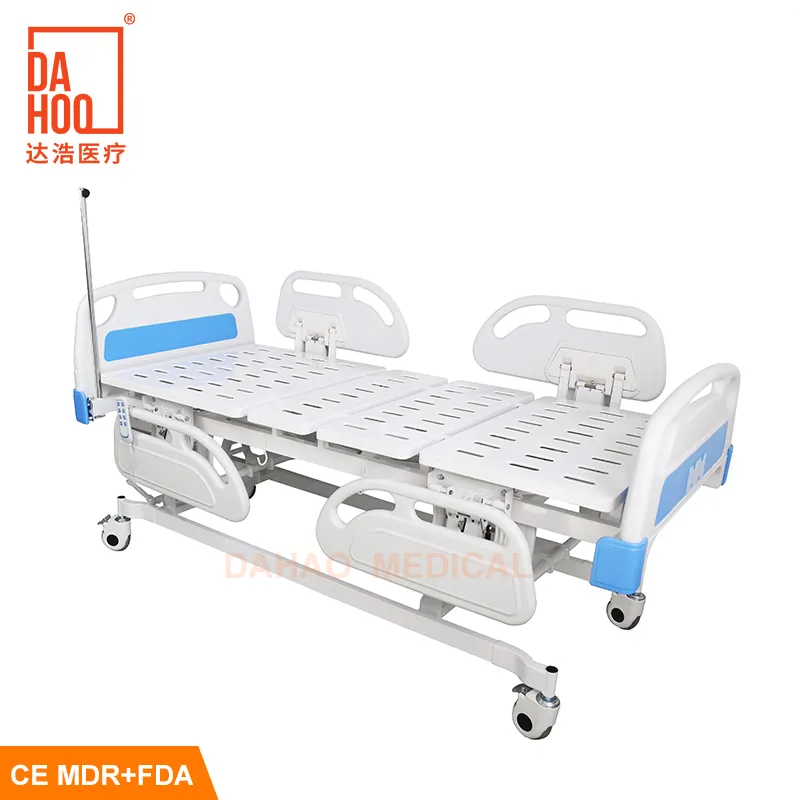
FAQ: Frequently Asked Questions about Powered Adjustable Hospital Beds
Q1: Are powered adjustable hospital beds suitable for all elderly people?
Electric adjustable hospital beds are primarily intended for elderly individuals with reduced mobility, those recovering from surgery, those who are bedridden for the long term, or those requiring care assistance. If an elderly person is in good health and has normal mobility, a standard bed may be sufficient.
Q2: What advantages do electric hospital beds have over standard beds?
The main difference is the automatic adjustment capability. Electric hospital beds use motors to adjust the backrest, leg rest, and bed height, thereby improving comfort for the elderly and reducing the physical strain on caregivers.
Q3: Can hospital beds be used for home-based elderly care?
Yes, they can. Many electric adjustable hospital beds on the market today have been optimized for home care settings, making them suitable for home-based elderly care, rehabilitation, and long-term care environments.
Q4: What is the difference between three-function and five-function electric hospital beds?
Three-function hospital beds typically allow for the adjustment of the backrest and leg section, as well as the overall height of the bed, meeting most home care needs. Five-function models offer a wider range of positioning adjustments, making them better suited for complex care scenarios.
Q5: What are the most important factors to consider when purchasing an electric adjustable hospital bed?
In addition to price, key considerations include weight capacity, motor quality, safety side rails, adjustment functions, dimensions, and after-sales service. Only by carefully weighing these factors can you select a hospital bed that is truly suitable for the elderly.