

Compared to standard home beds, hospital-style nursing beds offer a more comfortable experience for bedridden patients through features such as electric adjustment, positional changes, and safety protections, while simultaneously reducing the caregiving burden on family members and professional caregivers.
However, as market demand grows, the number of manufacturers and sellers has increased, leading to significant variations in product quality, technical standards, and after-sales service among suppliers. Some suppliers focus solely on low prices while neglecting product stability; others market products with extensive features that fail to deliver a satisfactory user experience. Consequently, selecting a reliable supplier is a crucial consideration for consumers before making a purchase.
Choosing a supplier involves more than just comparing prices; it requires a comprehensive assessment of the company's capabilities, product performance, quality control, and after-sales support. For long-term care equipment, the professionalism of the supplier directly impacts patient safety and the effectiveness of home care.
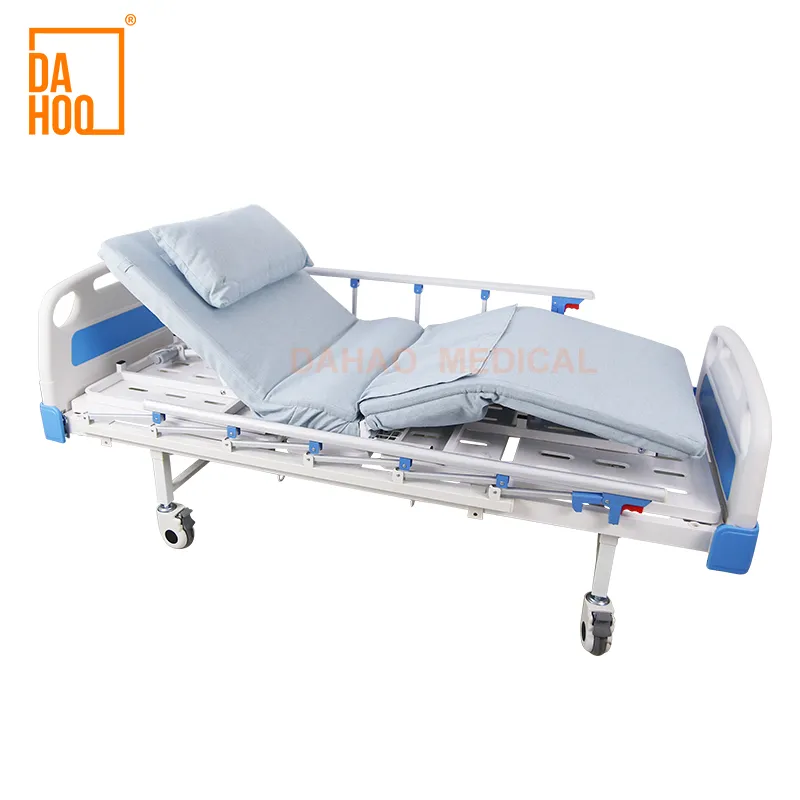
Why Are More Families Choosing Home-Use Hospital-Style Nursing Beds?
While traditional home beds primarily serve the need for sleep, they fall short when it comes to the specific requirements of long-term bedridden patients. These patients often need frequent postural adjustments—such as sitting up to eat, changing angles to rest, lowering the bed surface for caregiving tasks, or adjusting the height to change sheets. Relying on manual repositioning not only increases the workload for caregivers but can also cause physical discomfort for the patient.
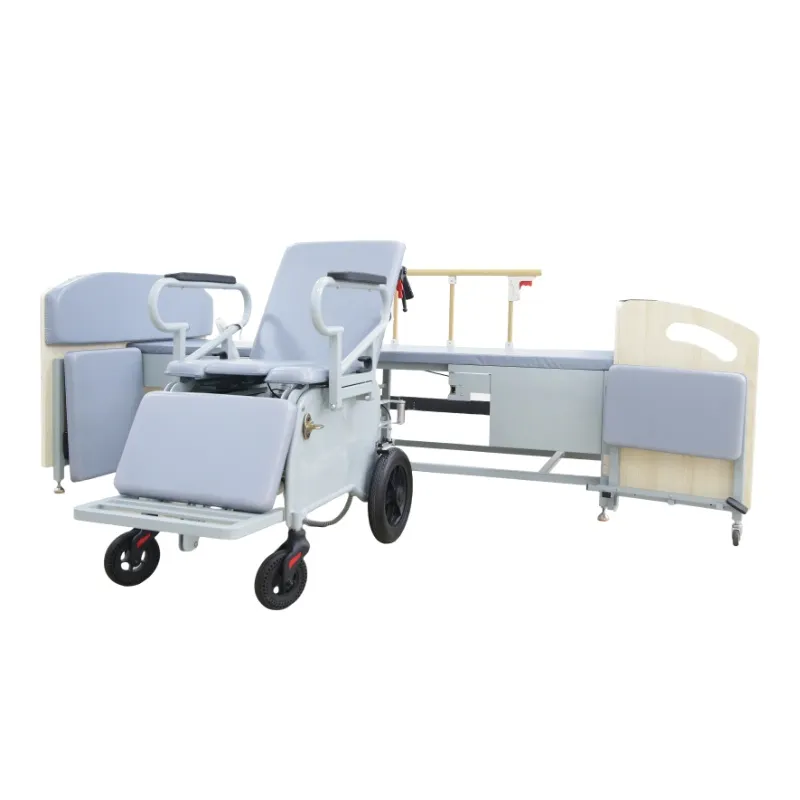
Hospital-style nursing beds are professionally designed to address these issues. Utilizing mechanical structures and electric control systems, users can adjust the backrest, leg position, and overall bed height; some high-end models even offer features like turning assistance and bed-to-chair conversion.
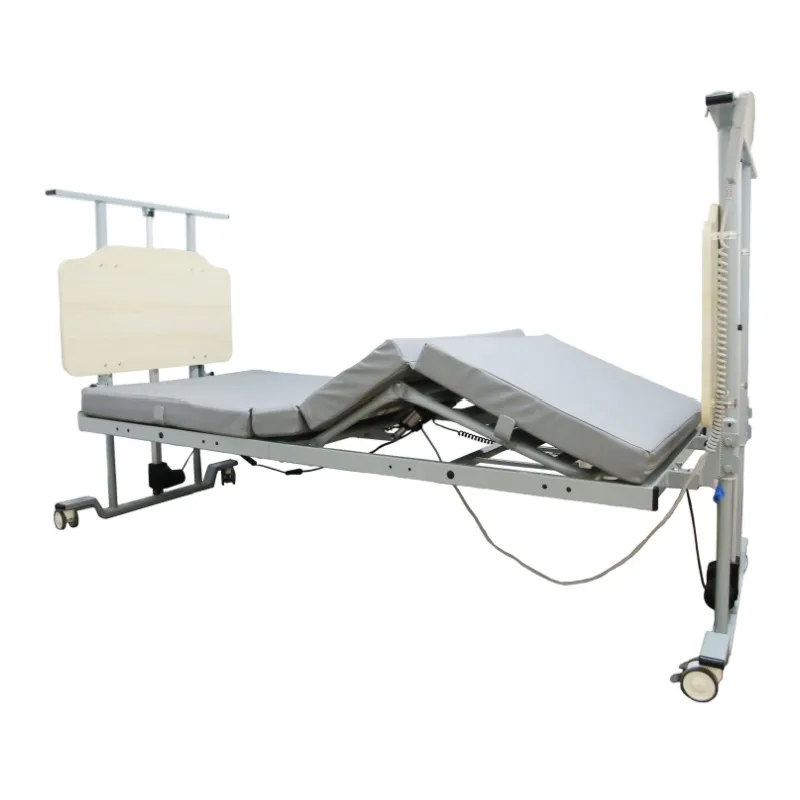
Current market offerings fall primarily into manual and electric categories. Electric nursing beds are particularly well-suited for long-term bedridden patients due to their ease of use and precise adjustment capabilities. Typical electric models feature two to five motors, with backrest adjustment angles ranging from 0° to 70° and leg adjustment from 0° to 30°–40°. Load-bearing capacity generally exceeds 200 kg, with some reinforced models capable of supporting 250 kg or more. For home users, a suitable nursing bed not only enhances patient comfort but also simplifies caregiving tasks and improves the efficiency of home care.
When choosing a supplier for home nursing beds, prioritize the company's capabilities
There are various types of nursing bed suppliers on the market, including specialized medical equipment manufacturers, nursing equipment distributors, and trading companies. These different types of enterprises vary in terms of product quality and service capabilities.
A reliable supplier typically possesses in-house R&D, manufacturing, and quality management capabilities, rather than simply sourcing and reselling products. Because nursing beds involve complex elements—such as frame structure, motor systems, and electrical safety—product stability relies on long-term technical expertise.
When selecting a supplier, consider the following aspects:
First, check corporate credentials. Reputable suppliers usually provide product manuals, technical specifications, testing documentation, and comprehensive after-sales policies.
Second, assess manufacturing capabilities. Suppliers with their own factories and R&D teams have a deeper understanding of product structure and quality control, and they can customize functions to meet specific customer needs.
Third, look at real-world case studies. Established suppliers often have a track record of installations in hospitals, elderly care facilities, and home care settings, demonstrating the product's performance in actual use.
Home users should avoid focusing solely on online marketing or low prices; instead, they should verify whether the supplier has the capacity to provide long-term service.
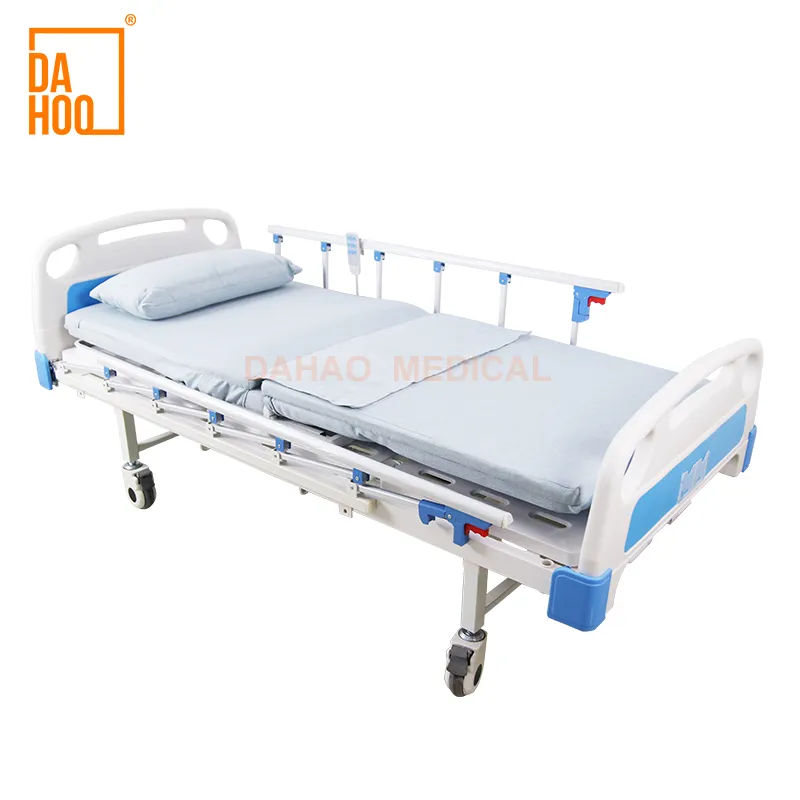
What key parameters determine the quality of a nursing bed?
Ultimately, choosing a supplier comes down to the product itself. Nursing beds are designed for long-term use, making stability, safety, and durability crucial factors.
1. Bed frame structure and load-bearing capacity
The bed frame is the foundational structure of a nursing bed; it must withstand the patient's weight and the stresses of adjustment mechanisms over the long term. If the frame materials are inadequate, issues such as wobbling or unusual noises may develop with prolonged use.
Mainstream nursing beds typically feature high-strength steel structures that have undergone rust-proofing and anti-corrosion treatments. For general home use, a product with a load-bearing capacity of over 200 kg is recommended; however, if the patient is heavier or the bed requires frequent adjustment, a reinforced model capable of supporting over 250 kg is a better choice.
When reviewing supplier specifications, it is important to distinguish between static and dynamic load-bearing capacities. Static load capacity refers to the weight the bed can support while stationary, whereas dynamic load capacity better reflects the demands of actual usage.
2. Stability of the Motor System
The motor is the core component of an electric nursing bed, directly affecting the bed's adjustment performance.
Home-use nursing beds may require frequent adjustments throughout the day; if the motor quality is poor, issues such as excessive noise, unstable lifting, and high failure rates are likely to occur.
High-quality nursing beds typically utilize a 24V low-voltage motor system, which ensures safer operation. When selecting a supplier, it is important to consider the motor brand, the number of motors, safety protection designs, and whether the system includes power-outage protection.
For home environments, quiet motor operation is also crucial. Stable motor performance not only improves the user experience but also minimizes the impact of nighttime caregiving on the patient's rest.
3. Alignment of Functions with Actual Needs
Many suppliers emphasize "multifunctionality" and "smart features" in their marketing, but more functions do not necessarily mean a product is better suited for home use.
The choice of a home nursing bed should be based on the patient's specific condition.
If the patient simply has limited mobility and needs adjustments between sitting and lying positions, a three-function electric nursing bed is usually sufficient.
If the patient is bedridden for the long term and requires frequent care, a bed with a turning-assistance function may be a better choice.
If the patient requires rehabilitation training or specialized care, models with a wider range of functional configurations can be considered.
Professional suppliers should recommend products based on the patient's actual needs rather than simply pushing higher-priced models.
Current Issues in the Nursing Bed Industry
As the market has developed, several issues have emerged within the nursing bed industry.
First, there is significant price-based competition. To lower prices, some suppliers cut material costs—such as using lower-grade steel or motors with mediocre performance—resulting in reduced product lifespan and stability.
Second, there is a tendency to prioritize feature promotion over actual needs. Some products are packed with numerous functions that are complex to operate, leading to low actual usage rates among home users. The most important qualities of nursing equipment are stability, safety, and practicality, not the sheer number of functions.
Third, after-sales service is often inadequate. Nursing beds are typically used over the long term, and components such as motors, controllers, and side rails may require maintenance. If a supplier lacks a dedicated after-sales team, users may face difficulties with future repairs.
Therefore, when selecting a supplier, one should not focus solely on the purchase price but also consider product quality and long-term maintenance costs.
Why is after-sales service a crucial criterion when selecting a supplier?
When purchasing home-care hospital beds, many consumers focus solely on product specifications while overlooking after-sales service. In reality, however, these beds are pieces of equipment intended for long-term use, and the quality of after-sales support directly impacts the user experience.
Reliable suppliers typically offer a comprehensive after-sales system, including:
Product installation guidance;
Usage training;
Warranty services;
Repair support;
Spare parts supply.
Components such as motors, controllers, and remote controls are subject to wear and tear over time. If a supplier can consistently provide genuine spare parts, the equipment's service life is better guaranteed.
Furthermore, home-care hospital beds often feature complex structures, making professional installation crucial. Improper installation can compromise the bed's stability and functionality.
Therefore, before purchasing, it is essential to verify whether the supplier offers long-term after-sales support, rather than focusing exclusively on the price.
How do you choose the right supplier for home-care hospital beds?
Consumers can follow these steps:
First, clarify the patient's needs. Consider factors such as whether the patient is bedridden, requires assistance with turning over, needs electric height adjustment, and the frequency of care required.
Second, evaluate the supplier's capabilities. Focus on corporate credentials, manufacturing capacity, product track record, and after-sales systems.
Third, compare product specifications. Pay attention to bed dimensions, weight capacity, motor configuration, safety features, and functional suitability.
Finally, confirm after-sales guarantees. Inquire about warranty periods, repair procedures, and the availability of spare parts.
Choosing a supplier for home-care hospital beds is essentially choosing a long-term care partner. A professional supplier should provide not just a product, but a complete care solution.
Dahao Medical®: A Home-Care Bed Supplier Trusted by Global Customers
Amidst the evolving landscape of global medical care equipment, Dahao Medical remains committed to technological innovation and quality manufacturing, delivering safe, high-quality, comprehensive home-care bed solutions to customers worldwide. As a professional manufacturer deeply rooted in the medical care equipment industry since its inception in 2008, Dahao Medical has consistently focused on the R&D, manufacturing, and global sales of home-care beds and related equipment. Its products are currently exported to over 100 countries and regions, serving hospitals, elderly care facilities, rehabilitation centers, and home-care environments. Company W employs over 30 professional R&D engineers capable of providing OEM, ODM, and customized product development services tailored to the market demands of different countries. Through continuous technological innovation, the company constantly optimizes the performance of its home-care hospital beds, delivering stable, efficient, and reliable product solutions to global customers.
FAQ: Common Questions About Choosing a Supplier for Home-Care Hospital Beds
Q1: What is the difference between a home-care hospital bed and a standard nursing bed?
Home-care hospital beds are designed to meet specific medical nursing needs. They offer superior specifications regarding load-bearing capacity, motor stability, safety structures, and functional adjustability, making them more suitable for patients who are bedridden for extended periods.
Q2: Is a lower price always better when purchasing a home-care hospital bed?
No. Low-priced products may compromise on materials, motor quality, or after-sales support. When making a choice, one should comprehensively consider product quality, service life, and after-sales guarantees.
Q3: How many functions should a home-care hospital bed have for domestic use?
For general home care, a three-function electric hospital bed is usually sufficient. However, if the patient requires long-term bed rest or frequent position adjustments, a model with more functions may be a better choice.
Q4: How can I determine if a supplier of home-care hospital beds is reliable?
You can evaluate a supplier based on factors such as corporate credentials, manufacturing capabilities, product quality, customer case studies, and after-sales service. Professional suppliers typically provide comprehensive documentation and long-term service support.
Q5: What is the typical lifespan of a home-care hospital bed?
The lifespan depends on product quality, frequency of use, and maintenance. High-quality hospital beds can generally last for many years, and regular maintenance can further extend the equipment's service life.