

Adjustable hospital beds have become an essential care tool in many homes, nursing homes, and rehabilitation centers. Compared to ordinary fixed hospital beds, medical adjustable beds can adjust the angles of the back, legs, and the entire bed surface through motors or mechanical structures, allowing patients to achieve different postures such as lying flat, semi-reclining, sitting up, and leg raising. This not only improves the comfort of patients during long-term bed rest but also reduces the workload of caregivers when assisting with turning, feeding, examinations, and transfers.
However, in the actual purchase and use of adjustable hospital beds, a seemingly simple but very important issue is often overlooked: how thick should the mattress of an adjustable hospital bed be?
Many consumers, when choosing a hospital style adjustable bed, prioritize bed features such as whether it supports electric height adjustment, has guardrails, allows for adjustment of back and leg angles, and has anti-bedsore features, easily neglecting the crucial role of the mattress in the entire medical bed system. In reality, a mattress is not simply a "soft pad" placed on the bed; it is a crucial component directly affecting patient comfort, body pressure distribution, bed adjustment effectiveness, and nursing safety.
If a medical adjustable bedd is paired with an unsuitable mattress, many problems can arise. For example, an overly thick mattress increases the bed height, making it more difficult for patients to get in and out of bed, and also reduces the effective protection height of the guardrails; a mattress that is too firm will cause compression of the patient's lower back when the back is raised, preventing the body from naturally conforming to the bed surface; a mattress that is too soft may cause the body to sink in, affecting turning over and nursing procedures. For patients who are bedridden for extended periods, an unsuitable mattress may even increase localized pressure concentration, raising the risk of pressure sores.
Therefore, the selection of a mattress for an adjustable hospital bed should not be simply understood as "the thicker the better," but should be comprehensively judged based on the bed structure, the patient's physical condition, the duration of use, and nursing needs. Currently, the thickness of mattresses commonly used in adult hospital beds in the medical and nursing field is typically between 10 and 15 centimeters, a range that provides a good balance between support, comfort, safety, and bed adjustment functionality.
Some medical industry standards also specify requirements for hospital mattress thickness, generally recommending that adult mattresses be between 10cm and 15cm thick to meet patient safety and care needs.
The following will provide a detailed analysis of the impact of medical bed structure and mattress thickness.
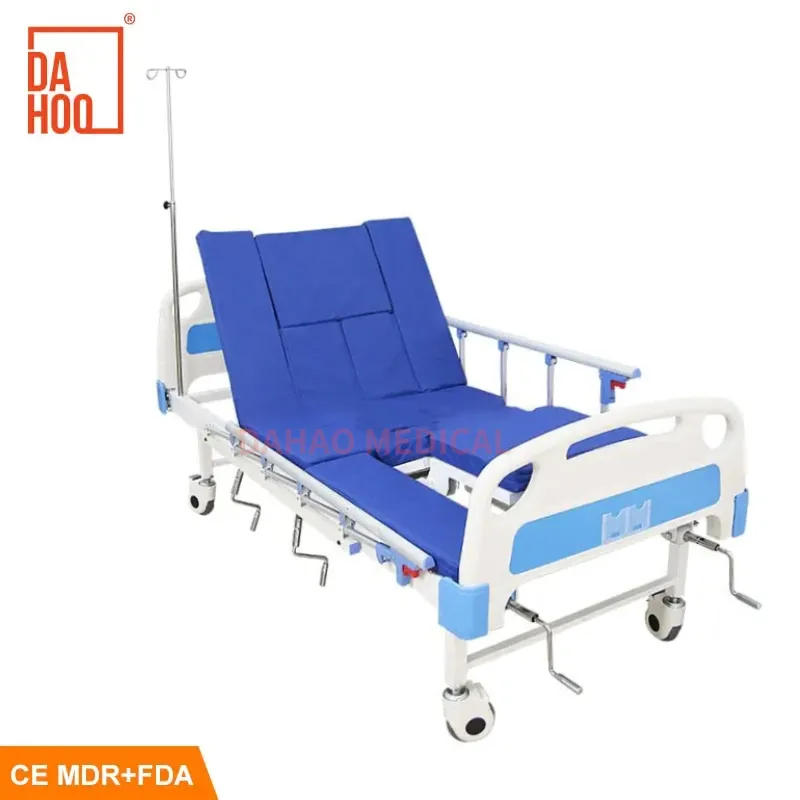
Why do adjustable hospital beds have higher requirements for mattress thickness?
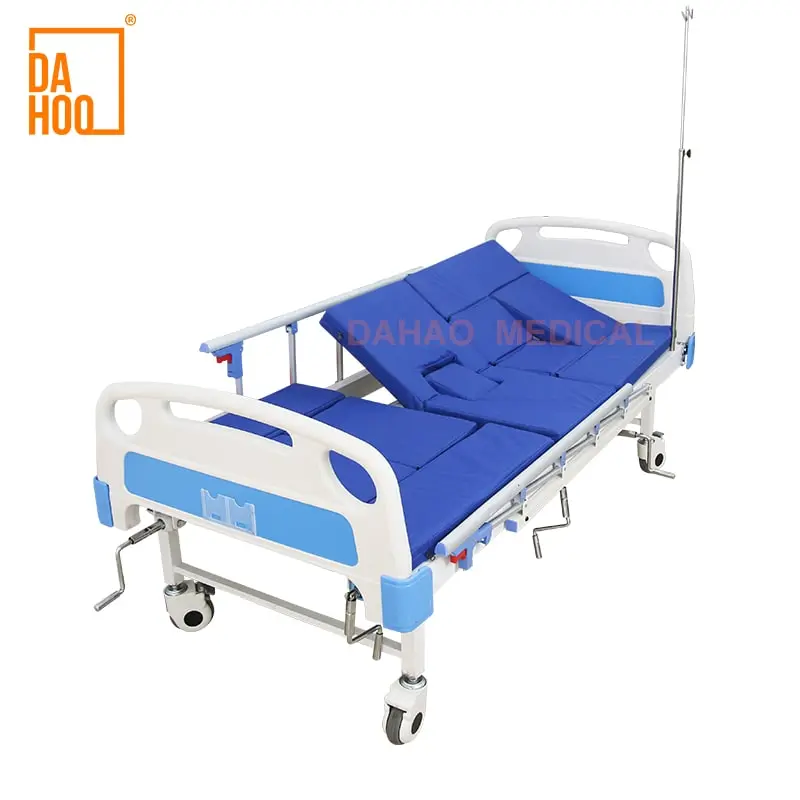
The biggest difference between adjustable hospital beds and ordinary home beds is that they not only provide sleep support but also serve as nursing assistance functions. Ordinary beds typically have a fixed surface, while adjustable hospital beds require frequent changes in position. For example, the bed remains level when the patient is lying flat. When the patient needs to eat, communicate, or undergo rehabilitation training, caregivers can adjust the back area through the control system to allow the patient to assume a semi-reclining position.
Some electrically adjustable hospital beds can adjust the backrest angle from approximately 0° to 70°, and the leg area can also be raised as needed. During this process, the mattress must change along with the bed frame; therefore, the mattress not only needs to support the patient's weight but also needs to possess good flexibility and structural adaptability.
Ordinary home mattresses typically employ a fixed-support design, such as spring mattresses, thick latex mattresses, or high-thickness memory foam mattresses. These products emphasize comfort during prolonged lying down but may not be suitable for frequent bending. If placed on an adjustable hospital bed, problems such as the mattress not being able to bend, the mattress sliding, and the patient sliding down may occur.
A suitable medical mattress for an adjustable hospital bed needs to meet several conditions simultaneously. First, the mattress must have good bending performance to adapt to changes in the backrest and legboard; second, it needs to provide sufficient support to prevent prolonged pressure on the patient's body; third, it needs to be waterproof, stain-resistant, and easy to clean, as the medical care environment frequently involves sweat, urine, and disinfectants; finally, the mattress thickness must match the bed structure and not affect the height of the guardrails or the safety of the height adjustment mechanism.
Therefore, the thickness of an adjustable hospital bed mattress is not an isolated issue but a crucial parameter in the overall design of the care system.
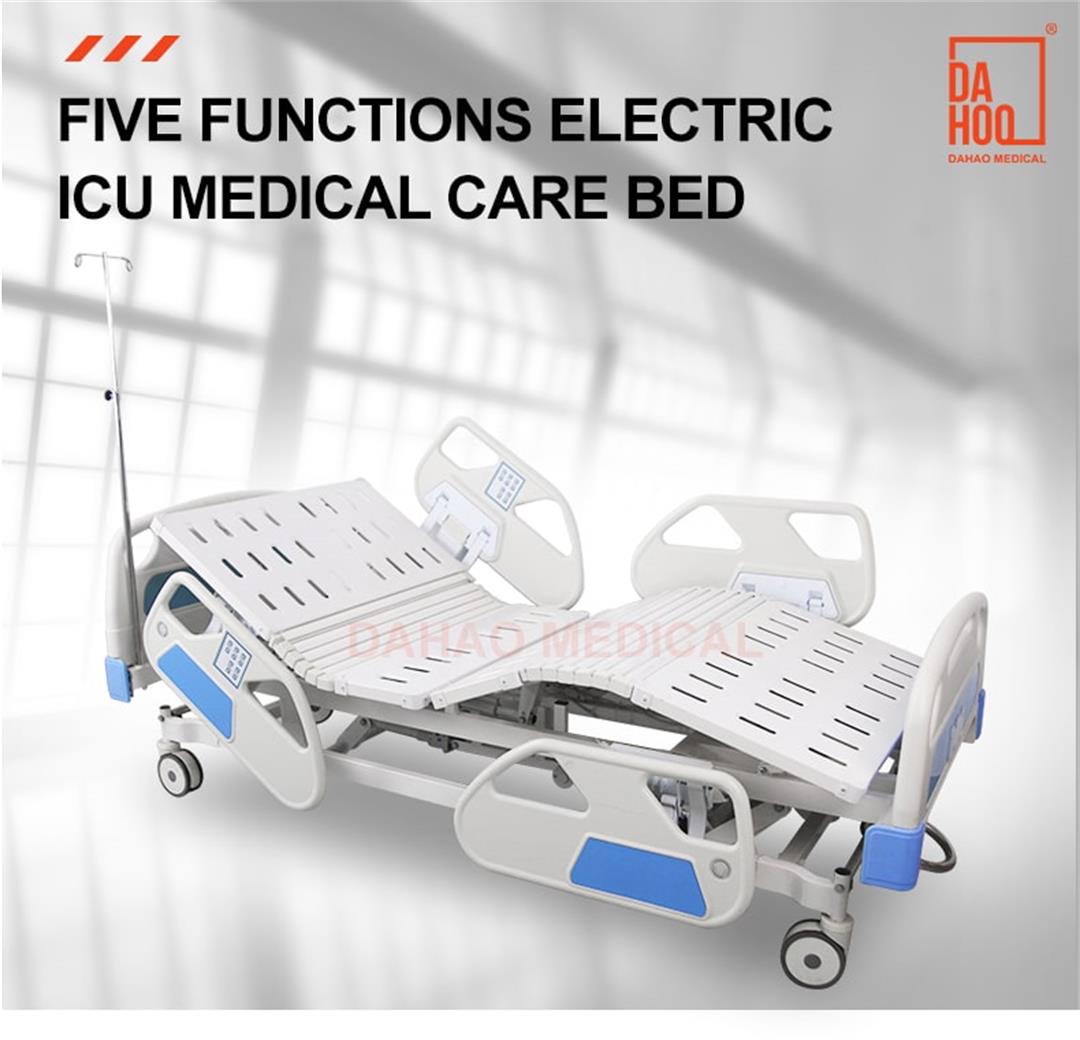
How thick should an adjustable hospital bed mattress generally be?
From a practical medical care application perspective, there is no single, fixed thickness for adjustable hospital bed mattresses suitable for all patients. Different patients have different weights, lengths of bed rest, types of illnesses, and nursing needs, requiring different mattress sizes.
However, based on current market applications, adjustable hospital bed mattress thickness can be roughly divided into three levels:
1. Approximately 8 cm thick: Suitable for short-term and basic care
A mattress with a thickness of approximately 8 cm is considered a basic medical mattress configuration, characterized by its light weight, flexibility, and relatively economical price.
This thickness is typically suitable for short-term care scenarios, such as:
Post-operative recovery patients;
Patients with temporary mobility issues;
Patients with short-term hospital stays;
Elderly patients with good physical mobility.
These patients usually do not maintain the same posture for extended periods, therefore their need for pressure distribution is not as high as that of long-term bedridden patients.
However, an 8 cm mattress also has certain limitations. Due to the limited internal thickness, there is less space to design support and cushioning layers. If the patient spends more than 12 hours a day in bed or has a large body weight, it may not provide sufficient pressure relief.
Therefore, an 8 cm mattress is more suitable as a basic care option, rather than the best solution for long-term bedridden patients.
2. Approximately 10 cm Thickness: The Most Common Medical Care Choice
A 10 cm thickness is a very common configuration in medical adjustable beds and is also a specification easily accepted by many home care users.
The biggest advantage of this thickness is its good balance.
It doesn't hinder bed adjustment like an overly thick mattress, and it provides better support than a thin mattress.
A 10 cm medical mattress typically uses a high-density polyurethane foam structure, achieving surface comfort, middle cushioning, and bottom support through a combination of materials of different densities.
It is suitable for:
General elderly care;
Home rehabilitation;
General post-operative recovery;
Patients with mild to moderate mobility impairments.
For most hospital style adjustable beds used at home, approximately 10 cm is usually a reasonable choice. If the patient does not have a significant risk of pressure sores and is not in a long-term completely bedridden state, then a 10 cm medical mattress can meet most needs.
3. 12 cm to 15 cm Thickness: Suitable for Long-Term Bedridden Patients and High-Level Care Needs
For long-term bedridden patients, mattress thickness usually needs to be increased further.
Mattresses 12 to 15 centimeters thick offer more room for internal structural design, allowing for the addition of:
High-density support layers;
Slow-rebound comfort layers;
Pressure-distribution layers;
Breathable material layers.
These mattresses are more suitable for:
Long-term bedridden elderly;
Paralyzed patients;
Patients with severely reduced mobility;
Patients at high risk of pressure sores.
One of the biggest challenges in long-term bedridden care is reducing continuous pressure on specific areas of the body. Better medical mattresses, through optimized material structure, can distribute body weight more evenly, reducing pressure on the sacrum, hips, and shoulders.
However, it's important to note that 15 centimeters is already considered a relatively thick medical mattress, and not all adjustable hospital beds are suitable for it. If the bed was originally designed for a 10-centimeter mattress, blindly increasing the thickness may compromise overall safety.
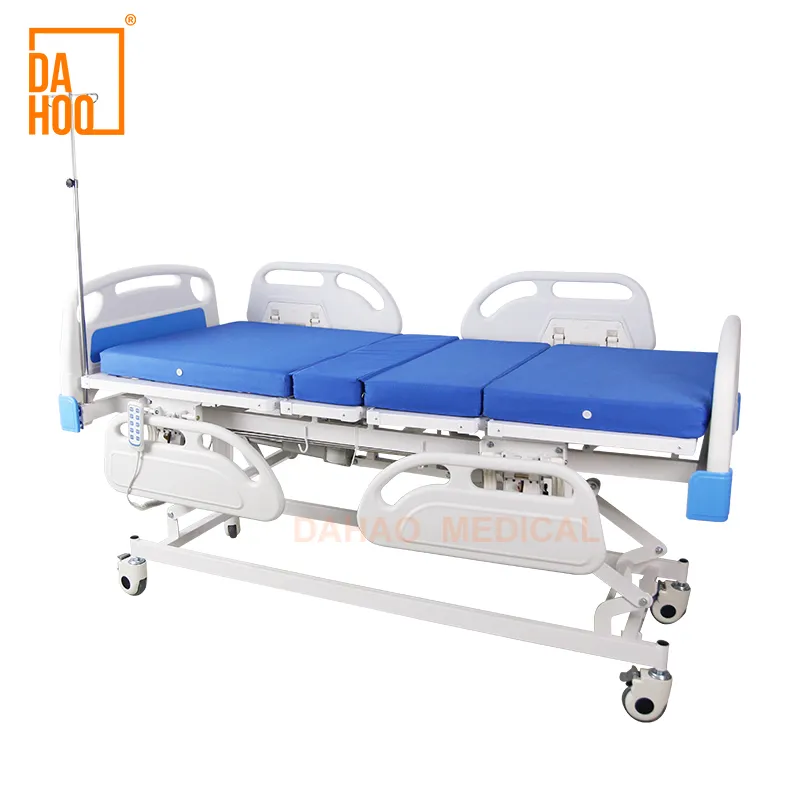
Why isn't a thicker adjustable hospital bed mattress necessarily better?
Many consumers have a misconception when buying mattresses: that greater thickness equals greater comfort.
However, this logic doesn't entirely hold true for medical adjustable beds.
First, an excessively thick mattress may impair the bed's adjustability.
The back and leg structures of adjustable hospital beds are designed for specific mattress thicknesses. If the mattress is too thick, bending resistance increases. For example, when the backrest is raised, the mattress cannot bend naturally, causing the patient's hips to slide forward, putting pressure on the lower back and reducing the comfort of sitting or lying down.
Second, an excessively thick mattress may reduce the safety effectiveness of the side rails.
Hospital beds are typically designed with side rails to protect patients from falls. If the mattress height increases from 10 cm to 20 cm, the patient's actual lying height increases, while the rail height remains the same, thus reducing the area of protection.
This change may affect safety for elderly patients, patients with impaired consciousness, or patients with limited mobility.
Third, an excessively thick mattress increases the difficulty of care.
Caregivers need to maintain a reasonable operating height when turning patients, changing dressings, performing examinations, and assisting with movement. If the mattress is too thick, it will alter the positional relationship between the patient and caregiver.
Therefore, the selection of a medical adjustable bed mattress should prioritize "suitability," rather than "the thicker the better."
What mattresses should be paired with different types of adjustable hospital beds?
Besides thickness, mattress material is also crucial. Currently, common medical mattresses on the market include high-density foam mattresses, anti-decubitus mattresses, and medical-grade memory foam mattresses.
High-density foam mattresses are the most common choice, suitable for most general care scenarios. They typically feature a waterproof cover and a high-density foam structure, offering advantages such as lightweight, moderate cost, and easy cleaning. For ordinary home caregivers, a 10cm high-density medical foam mattress is usually sufficient for daily needs.
Anti-decubitus mattresses are primarily designed for long-term bedridden patients. Areas of the body subjected to prolonged pressure, such as the sacrum, hips, and shoulder blades, are prone to skin damage due to impaired blood circulation. Anti-decubitus mattresses help reduce localized pressure through alternating airbag pressure, special foam structures, or pressure-reducing materials.
It's important to note that not all patients require an air-cushioned anti-decubitus mattress. If the patient can turn over independently and has a high level of daily activity, a regular medical mattress may be sufficient.
Medical-grade memory foam mattresses prioritize comfort and body contouring. It can conform to the curves of the human body to reduce pressure concentration, but breathability and durability require special attention when used in medical environments.
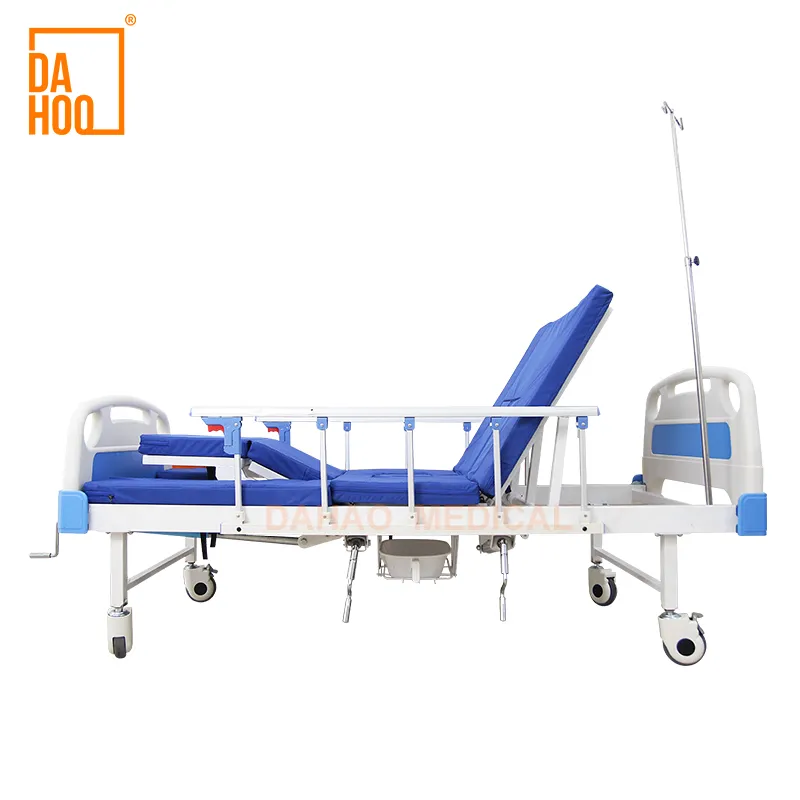
How should long-term bedridden patients choose the thickness of an adjustable hospital bed mattress?
The focus of mattress selection differs for different patients.
If a patient is only using a hospital style adjustable bed for a short period, such as two weeks to a month after surgery, a thickness of 8 to 10 centimeters is usually sufficient, with a focus on mattress support and bed adjustability.
If a patient needs to be bedridden for an extended period, such as more than six months or even relying on a nursing bed long-term, it is recommended to choose a medical mattress in the range of 10 to 15 centimeters, with a focus on pressure relief, anti-bedsore function, and breathability.
For heavier patients, the mattress's weight-bearing capacity needs to be considered. Some ordinary thin mattresses, although labeled as capable of supporting a certain weight, are prone to sagging and insufficient support after long-term use; therefore, a reinforced structure is recommended.
What other parameters should be considered when purchasing an adjustable hospital bed mattress?
Besides thickness, consumers should also pay attention to several key indicators.
First is size matching. Adjustable hospital beds typically have adult dimensions of approximately 90 cm wide and 200 cm long, but these may vary between manufacturers. The mattress must match the bed surface dimensions; otherwise, movement and gaps may occur.
Secondly, weight-bearing capacity is crucial. The mattress needs to support not only the patient's static weight but also the dynamic pressure exerted during turning, sitting up, and caregiving.
Thirdly, cleanliness is important. Medical mattresses usually need to be waterproof and stain-resistant, and the cover should ideally be removable and washable to adapt to long-term care environments.
Finally, flexibility is essential. For adjustable hospital beds, the ability to adapt to changes in bed movement is one of the most important performance characteristics.
FAQ: Frequently Asked Questions about Adjustable Hospital Bed Mattress Thickness
Q1: What thickness should a hospital style adjustable bed mattress be?
10 cm to 15 cm is generally recommended. Approximately 10 cm is suitable for general care environments, while 12 cm to 15 cm is more suitable for long-term bedridden patients.
Q2: Can a regular home mattress be used with a medical adjustable bed?
Not recommended. Ordinary mattresses often cannot accommodate the folding and height-adjustable structures of hospital beds, potentially affecting comfort and equipment functionality.
Q3: Is a thicker mattress for a medical adjustable bed hospital bed more comfortable?
No. An overly thick mattress may hinder bed adjustment and reduce the height of the guardrails.
Q4: Do long-term bedridden patients always need an anti-decubitus mattress?
Not necessarily, but long-term bedridden patients are at high risk of pressure ulcers, and choosing a medical mattress with pressure-reducing functions is usually more helpful.
Q5: What kind of mattress should be used with an electrically adjustable hospital bed?
It is recommended to choose a flexible, waterproof, and breathable medical mattress, such as a high-density foam mattress, an anti-decubitus mattress, or a medical-grade memory foam mattress.
