

In many hospitals, nursing homes, and home care settings, a large number of traditional manually adjustable hospital beds still exist. Due to their relatively low procurement costs, simple structure, and ease of maintenance, manually adjustable hospital beds have long held a significant market share. However, with the increasing complexity of patient care needs, the aging population, and rising standards of medical services, more and more users are realizing that manually adjustable hospital beds, which were suitable for simple care environments in the past, may no longer meet the requirements of modern care in terms of safety, efficiency, and comfort.
Many nursing managers encounter similar questions during equipment upgrades: Why replace the bed when it's still usable? Why upgrade to an electric adjustable hospital bed when the manual adjustment function still meets basic needs?
In reality, upgrading hospital beds is not simply a matter of equipment replacement, but rather an optimization of the care model. When patients need frequent position adjustments, caregivers need to operate the bed multiple times a day, and family caregivers find it difficult to independently adjust the bed position, these phenomena often become clear signals that traditional manually adjustable hospital beds are gradually revealing their limitations, while electric adjustable hospital beds may become a more reasonable solution. According to the development trend of the medical equipment industry, more and more medical institutions are adopting nursing beds with electric height adjustment, electric backrest adjustment, electric legrest adjustment, and intelligent control functions. Some high-end electrically adjustable hospital beds can achieve backrest angle adjustment of approximately 0° to 70° and legrest angle adjustment of approximately 0° to 40°, while supporting a safe load capacity of over 300kg, adaptable to various application scenarios such as intensive care, rehabilitation care, long-term bed rest, and home-based elderly care.
So, what specific signals indicate that users should upgrade from manually adjustable hospital beds to electrically adjustable hospital beds? This article will conduct an in-depth analysis from multiple perspectives, including patient needs, nursing efficiency, safety risks, and long-term costs.
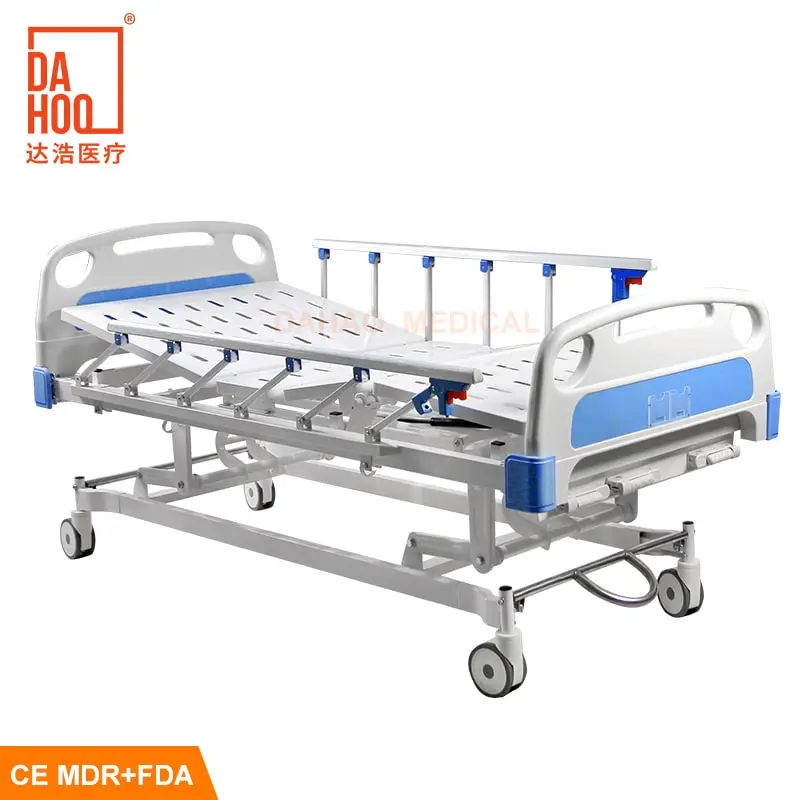
Frequent patient position adjustments are an important signal for upgrading from manually adjustable hospital beds
The biggest feature of manually adjustable hospital beds is that the angle of the bed is changed by mechanical rocker arms, cranks, or manual operation. This structure has certain advantages when the patient's physical condition is stable and the nursing needs are low, such as during general hospital observation, short-term recuperation, or simple rehabilitation stages. However, when patients need to change positions multiple times a day, manual adjustment gradually becomes a significant factor limiting the quality of care.
For long-term bedridden patients, position adjustment is not an occasional operation, but a core part of daily care. For example, to reduce the risk of pressure injuries caused by prolonged bed rest, caregivers typically need to adjust the patient's position regularly according to their physical condition, including semi-recumbent, sitting-up, lateral, and leg-elevated positions. If a manually adjustable hospital bed is used, each adjustment requires a caregiver to approach the bedside and perform the operation through the mechanical structure. This difficulty increases significantly when the patient is heavy, unable to move independently, or requires fine-tuning.
Electrically adjustable hospital beds use a motor-driven system to adjust the bed, allowing patients or caregivers to operate the system simply by pressing buttons on a handheld device. For patients with limited mobility, this method not only reduces dependence on others but also increases their sense of control. For example, a postoperative recovery patient may need to adjust their back angle according to pain levels; a patient with weak respiratory function may need to maintain a semi-recumbent position to improve breathing comfort; and an elderly patient may need to lower the bed height for easier entry and exit. These needs can be met more quickly and precisely with an electric system.
Therefore, when patients experience the following, it usually means that a manually adjustable hospital bed can no longer provide the best nursing experience: the patient needs to change position multiple times a day; the patient is overweight, making manual adjustment difficult; the patient has long-term care needs such as postoperative recovery, nerve damage, or orthopedic rehabilitation; or the patient wants some degree of autonomy in controlling bed position changes. These are all important signals to consider upgrading to an electrically adjustable hospital bed.
The continuously increasing workload of nursing staff indicates that traditional manual beds are affecting nursing efficiency
The healthcare industry has long faced the problem of increasing workload for nursing staff, and the high frequency of hospital bed adjustments is one of the important factors. Many people think that adjusting a hospital bed is a simple action, but in a real nursing environment, a nurse may need to face dozens or even more bed adjustment tasks every day.
Manually adjustable hospital beds usually require nurses to stand at the bedside to operate the mechanical devices. If there are many patients in the ward, or if patients need to frequently change positions, long-term repetitive operations can easily cause strain on the nurse's lower back, shoulders, and wrists. Especially in large hospitals, rehabilitation centers, and elderly care facilities, nursing staff not only need to adjust bed positions but also perform tasks such as turning over, assisting with examinations, managing intravenous fluids, and conducting rehabilitation training. If a significant amount of time is spent on mechanically adjustable beds, overall nursing efficiency will decrease.
Electrically adjustable hospital beds can significantly reduce the physical exertion of nursing staff. For example, through the electric height adjustment function, nursing staff can adjust the bed height according to their work needs, maintaining a more ergonomic position for nursing operations. Some studies and industry practices indicate that reasonable electric height adjustment can reduce the frequency of bending over by nursing staff, which has a positive effect on reducing occupational musculoskeletal injuries.
Furthermore, electrically adjustable hospital beds can improve the consistency of nursing operations. During manual adjustment, different nursing staff may have differences in angle control due to variations in strength and experience, while the electric system can achieve more precise position adjustment through fixed control. For example, during patient examinations, rehabilitation training, or assisted transfers, a uniform bed height can improve operational safety.
Therefore, if medical institutions frequently receive feedback from nursing staff regarding issues such as "bed adjustment being too tiring," "difficulty in operation after patient weight gain," and "decreased efficiency in nighttime nursing procedures," this often indicates that equipment upgrades have become a real need. From a long-term management perspective, electrically adjustable hospital beds are not only an investment in equipment but also an important tool for improving nursing efficiency.
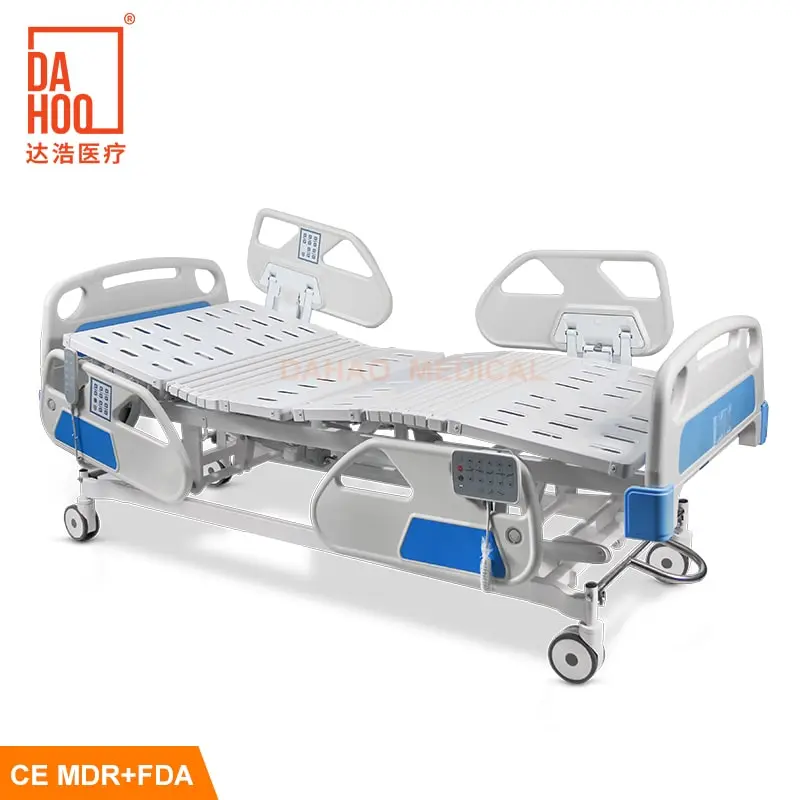
Increased patient safety risks are a key reason for considering electrically adjustable hospital beds
One of the core goals of medical equipment upgrades is to reduce nursing risks. With changes in the age structure of patients, more and more medical institutions are facing elderly patients, patients with chronic diseases, and long-term bedridden patients. These groups have increasingly higher requirements for bed safety.
While manually adjustable hospital beds can perform basic adjustments, they have certain limitations in some special situations. For example, when a patient needs to quickly adjust to a sitting position, the speed of manual operation may not be sufficient; when a patient experiences discomfort at night and needs to change the bed angle, the patient may find it difficult to do so without the assistance of a nursing staff.
Electrically adjustable hospital beds are typically equipped with independent motor control systems, enabling a smoother movement process. High-quality electric nursing beds typically employ low-noise motors, with operating noise levels kept around 50 decibels, ensuring minimal disruption to patient rest. Furthermore, multi-functional electric nursing beds are usually equipped with anti-pinch mechanisms, emergency stop functions, and stable locking systems, enhancing safety during use.
For elderly patients at higher risk of falls, height adjustment is particularly important. The bed can be lowered to a more comfortable position when getting in and out of bed; and raised to reduce bending during nursing procedures. This flexible adjustment capability is difficult to achieve with traditional manually adjustable hospital beds.
Additionally, in intensive care environments, rapid position adjustments are sometimes crucial. For example, some patients require specific angles to improve breathing or need postural adjustments for medical examinations. Relying on manual mechanical adjustments is not only time-consuming but can also increase the workload for nursing staff. Therefore, when patient safety is paramount, electrically adjustable hospital beds are generally more suitable for modern nursing requirements than manually operated models.
Increased demand for home care is a key factor driving the widespread adoption of electrically adjustable hospital beds
In recent years, home-based elderly care and home-based nursing models have developed rapidly, with more and more patients choosing to receive long-term rehabilitation care in their homes. This trend has changed the usage scenarios of hospital beds; equipment previously mainly used in hospitals and nursing facilities is now gradually entering homes.
There are significant differences between home care environments and professional medical institutions. Hospitals have professional nursing staff who can help patients with manual adjustments; however, in a home environment, patients are often cared for by family members, who may lack professional nursing experience and sufficient physical strength to frequently operate manually adjustable hospital beds.
For example, a long-term bedridden elderly person may need to adjust their back angle, leg height, and bed position multiple times a day. If all of this is done manually by family members, it not only increases the caregiving burden but also easily affects the patient's comfort due to improper operation. Electrically adjustable hospital beds allow family members to make adjustments with simple buttons, which can be quickly mastered even without professional nursing experience.
For home users, the value of electrically adjustable hospital beds lies not only in increased functionality but also in reducing the difficulty of long-term care. With the continued aging of the population, future home care equipment will place greater emphasis on intelligence, user-friendliness, and ease of operation. This is a key reason why electrically adjustable hospital beds are gradually replacing some manual models.
Maintenance costs and long-term value are also important factors in deciding whether to upgrade
Many users prioritize purchase price when choosing hospital beds. In comparison, manually adjustable hospital beds typically have lower initial purchase costs, making them attractive for those with limited budgets. However, from a long-term perspective, the value of the equipment cannot be judged solely by the initial purchase price; labor costs, nursing efficiency, and patient experience must also be considered.
During long-term use, the mechanical parts of manually adjustable hospital beds will wear down due to frequent operation, such as loosening of the rocker arm structure, wear of transmission components, and decreased adjustment precision. While electrically adjustable hospital beds have a more complex structure, modern products use mature motor and control system designs, and with proper maintenance, they can usually meet the needs of stable use for many years.
For medical institutions, if a large number of beds require manual operation daily, labor costs may far exceed the investment in upgrading the equipment. Electric adjustable hospital beds reduce repetitive labor through automation, allowing caregivers to dedicate more time to patient observation and specialized nursing care.
Therefore, when evaluating whether to upgrade from a manually adjustable hospital bed to an electrically adjustable one, it's crucial to consider not only the price but also the lifecycle cost of the equipment. In many cases, while electrically adjustable beds may have a higher initial purchase price, their long-term value is more significant.
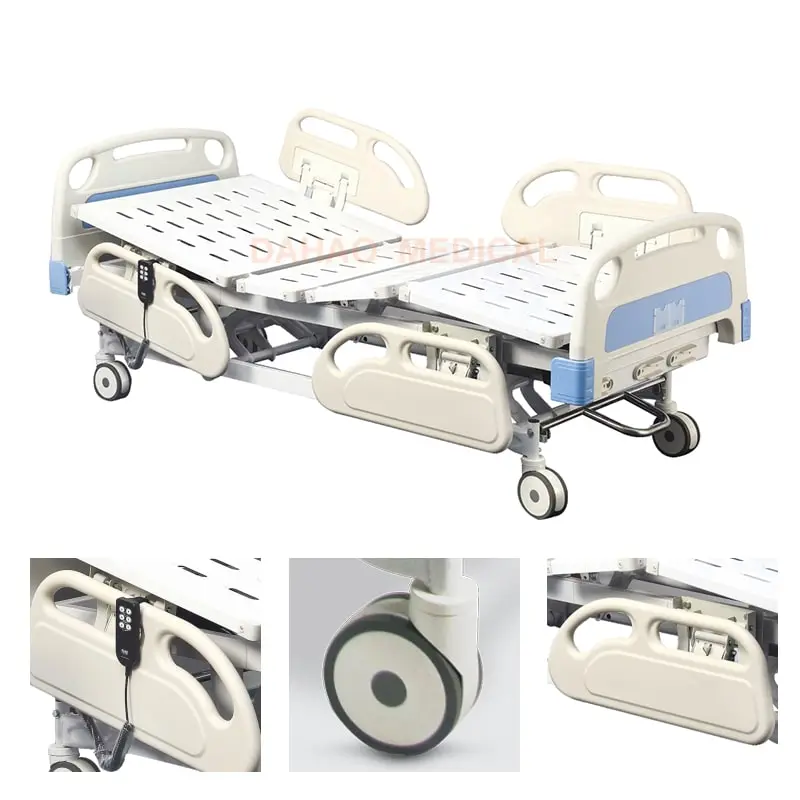
How to Choose the Right Electrically Adjustable Hospital Bed?
Once users determine they need to upgrade, the next step is to select a suitable electrically adjustable hospital bed. Different application scenarios have different functional requirements, and hospitals, nursing homes, rehabilitation centers, and home users need to focus on different parameters.
First, the motor system needs attention. Electrically adjustable hospital beds typically employ single-motor, dual-motor, or multi-motor structures. Multi-motor designs allow for independent adjustment in multiple directions, such as backrest, leg support, and height, making them more suitable for complex nursing needs.
Second, load-bearing capacity needs to be considered. For general nursing needs, a bed with a load capacity of 150kg to 200kg might be suitable. However, for long-term care or special patient groups, a model with a load capacity of around 300kg or even higher is recommended to ensure long-term stability.
Furthermore, attention should be paid to the bed dimensions, guardrail design, caster system, and control method. An excellent electrically adjustable hospital bed not only needs to achieve functional adjustments but also needs to consider patient transfer, safety protection, and daily cleaning and maintenance. For example, detachable guardrails, waterproof motor structure, quiet operation, and movable locking function all directly affect the actual user experience.
Professional hospital bed manufacturers typically offer customized solutions for different scenarios, including hospital nursing beds, elderly care beds, home rehabilitation beds, and special-function nursing beds. Professional medical equipment companies, when designing electrically adjustable hospital beds, comprehensively consider ergonomics, medical safety standards, and long-term reliability, rather than simply adding electric functions.
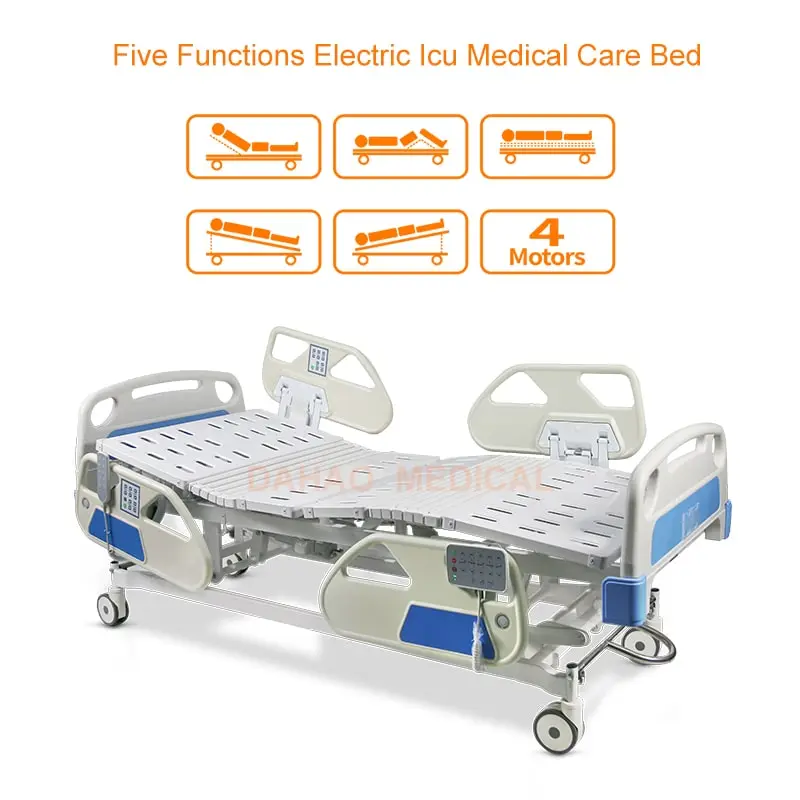
FAQ: Frequently Asked Questions about Manually Adjustable and Electrically Adjustable Hospital Beds
1. What is the biggest difference between manually adjustable and electrically adjustable hospital beds?
The biggest difference lies in the adjustment method. Manually adjustable hospital beds require manual operation of a mechanical structure to change the bed angle, while electrically adjustable hospital beds achieve adjustment through a motor and control system. Electric models have significant advantages in terms of ease of operation, adjustment precision, and nursing efficiency.
2. Is an electrically adjustable hospital bed always necessary for home care?
Not all families need an electrically adjustable bed. However, if the patient requires prolonged bed rest, frequent position adjustments, has reduced mobility, or requires long-term care from family members, an electrically adjustable hospital bed is generally more suitable, reducing the difficulty of care and improving patient comfort.
3. Are electrically adjustable hospital beds easier to repair than manually adjustable ones?
Modern electrically adjustable hospital beds use mature motor and control system designs, offering high reliability under normal use. Although the structure is more complex than manually adjustable models, reputable manufacturers provide maintenance services and spare parts support, meeting long-term usage needs.
4. What parameters should be considered when purchasing an electrically adjustable hospital bed?
It is recommended to focus on the number of motors, load capacity, adjustment range, safety rail design, bed dimensions, waterproof performance, and after-sales service. For long-term care users, product stability and user comfort also need to be considered.
5. Can manually adjustable hospital beds still be used?
If patient care needs are low and usage frequency is limited, manually adjustable hospital beds still have value. However, if difficulties in adjustment arise, the burden on caregivers increases, or safety risks rise, upgrading to an electrically adjustable hospital bed should be considered.
