

Adjustable hospital beds are not just for seriously ill patients; they are an important piece of equipment for addressing nursing care needs!
Many who are new to adjusting hospital beds ask questions quite similar such as: "Can't regular beds be sufficient for patients who remain bed bound for a long time?" "Wouldn't critically ill patients in hospitals have the only need for these?" "Is it that the doctors only recommend hospital beds for medical use?"
In the past, hospital beds were a rarity in normal homes. They were more commonly seen in professional settings - hospitals, rehabilitation centers, and nursing homes - and rarely outside.
However, with the global aging population trend on the rise, chronic disease-related patient numbers increasing, and home care models becoming popular gradually, a greater number of families have started actively searching for adjustable hospital beds to provide professional nursing equipment, which can improve the lives of their sick people.
The truth is: Doctors do recommend adjustable hospital beds, but it's a result that they are able to do, not just a reflection of their being more advanced, but a combination of meeting the very specific needs such as those of bedridden patients, patients needing to regain movement after operations (surgery), strokes, and the medically required patients who cannot live without assistance in any form other then home.
In this era characterized by a rising prevalence of disabilities in addition to the increasing life span, the World Health Organization (WHO) projects that there will be a greater need for assistance equipment, rehabilitation appliances, and long-term care in the coming generations. Adjustable hospital beds are no longer simply the bed of the hospital; they are turning into a vital element of the home care system.
Therefore, whether or not a doctor's prescription will include a medical adjustable bed depends not on the illness or age of the patient, but on whether the patient will require long-term care and assistance and, if yes, whether that will lead also to a significant improvement in the patient's quality of life.
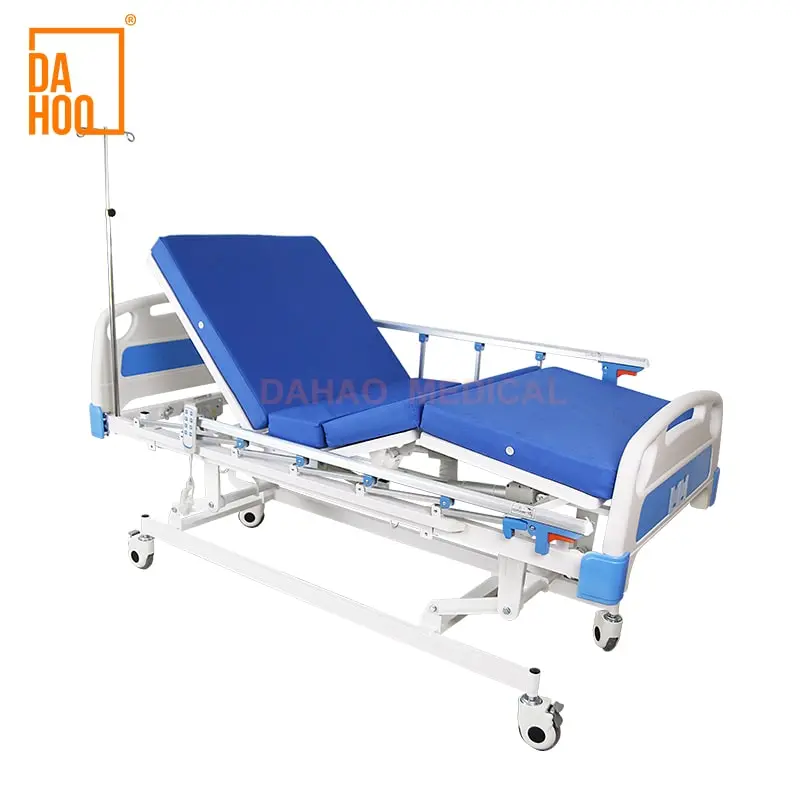
Why will doctors recommend hospital beds that can be made adjust?
The fundamental reason that doctors prescribe hospital beds that can be adjusted is because they are able to handle a situation that an average bed cannot. In our regular lives, the bed is more or less just the place where we rest or sleep; however, when it comes to patients who stay in bed for prolonged periods, it's almost like their bed turns into their home and treatment room and the place where they are being looked after.
Many sick persons may be lying in the bed day and night, if the position or height of the bed remains unchanged. This can cause discomfort to the patient and extra work to the caregiver as he or she is not just moving the bed but also trying to help the patient out by bending. For instances when the patient lies flat for a long time it is very difficult to eat, to communicate with other people and the comfort level in breathing also decreases; caregivers will have to get down on their knees when assisting patients with turning, bathing and changing clothes as they cannot stand.
An adjustable hospital bed can be a solution that can make a patient's life much easier by enabling the bed angle and height of the bed to be changed according to his/her needs. For instance, the back can be raised a bit into sitting if the person's main concern is to eat or care; caregivers will find it more convenient to do their duties if the bed's height can be easily changed in addition to the mattress height; if the patient just needs a rest or wants to continue a rehabilitation therapy, the bed can be set up to a very cozy position or to one that is more comfortable depending on the patient's preferences.
Therefore, it is common that doctors will advise the use of these adjustable beds based on 3 points: the main one is increasing one's pleasure for a patient; the secondary point is the avoidance of injury or complications for the nurse/carer while at work; and also the third one is enhancing the effectiveness both for rehabilitation work and caregiving.
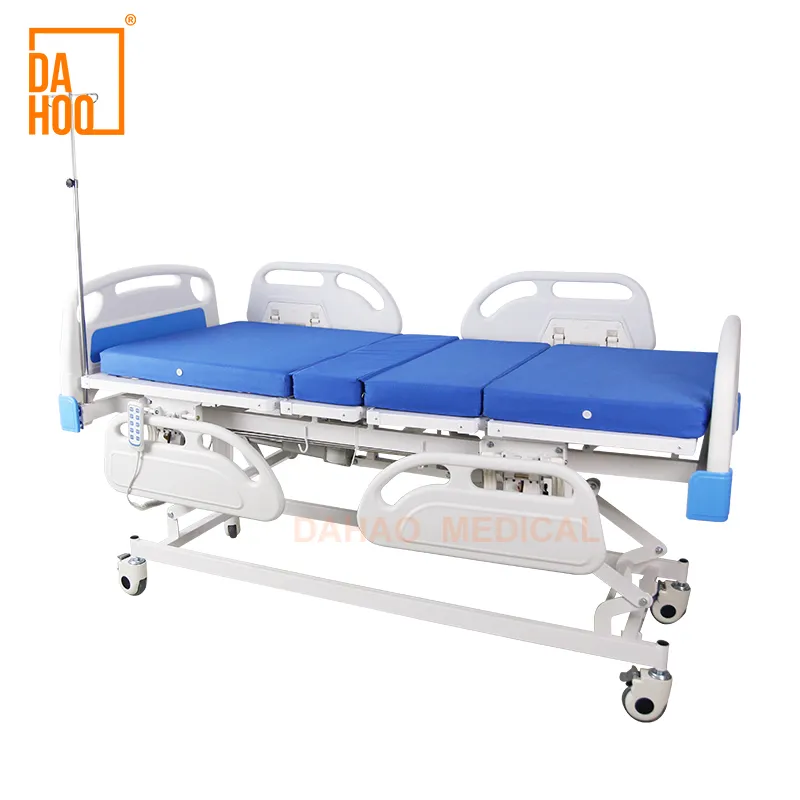
Which patients are more likely to receive advice from doctors about adjustable hospital beds?
Not all patients need adjustable hospital beds. For healthy individuals capable of normal activity, a regular bed is sufficient. However, adjustable hospital beds often offer significant value to the following groups:
1. Long-term bedridden patients
Long-term bed rest is one of the most common uses of medical adjustable beds. Some patients require long-term care due to illness, injury, or decreased physical function. For example, patients with severe mobility impairments, some neurological disorders, and some elderly individuals with disabilities may be bedridden for extended periods.
One of the biggest challenges of long-term bed rest is maintaining comfort, safety, and minimizing complications. Maintaining the same posture for extended periods can lead to concentrated body stress, muscle stiffness, and further decline in mobility.
Adjustable hospital beds allow patients to more easily change their posture. For example, adjusting the back and leg angles helps patients find a more comfortable lying position; adjusting the bed height facilitates daily care by nursing staff. These features are not extras for long-term bedridden patients, but rather essential to their care needs.
2. Stroke Patients
Stroke, also known as cerebrovascular accident, is a major cause of functional impairment in adults. While some stroke patients can return to normal life after rehabilitation, others experience long-term hemiplegia, muscle weakness, and difficulty moving.
For these patients, adjustable hospital beds can help improve the rehabilitation environment. For example, in the early stages of rehabilitation, patients may need to gradually learn to sit up; adjusting the bed back angle can reduce the difficulty of sitting up independently. During care, the bed's height adjustment function can also help caregivers perform assisted procedures more safely.
3. Elderly Patients with Disabilities or Semi-Disabilities
As people age, muscle strength, balance, and joint flexibility gradually decline. Some elderly people, even without serious illnesses, may be unable to independently get out of bed, turn over, or sit for extended periods due to declining physical function.
For these elderly individuals, adjustable hospital beds can significantly improve their quality of life. For example, lowering the bed height makes getting in and out of bed easier and improves safety; raising the bed makes it easier for caregivers to assist patients.
It's important to note that older age doesn't necessarily mean a greater need for a hospital bed. An 80-year-old who is healthy and mobile may not need one at all; while a 50-year-old patient who is bedridden due to illness might find a hospital bed more suitable.
4. Post-operative Recovery Patients
Some patients require specific postures to aid rehabilitation during the post-operative recovery phase. For example, after orthopedic surgery, joint replacement surgery, and some major surgeries, patients may not be able to adjust their body posture as freely as healthy individuals.
Adjustable hospital beds can help reduce physical stress on patients and facilitate observation of recovery by doctors and caregivers.
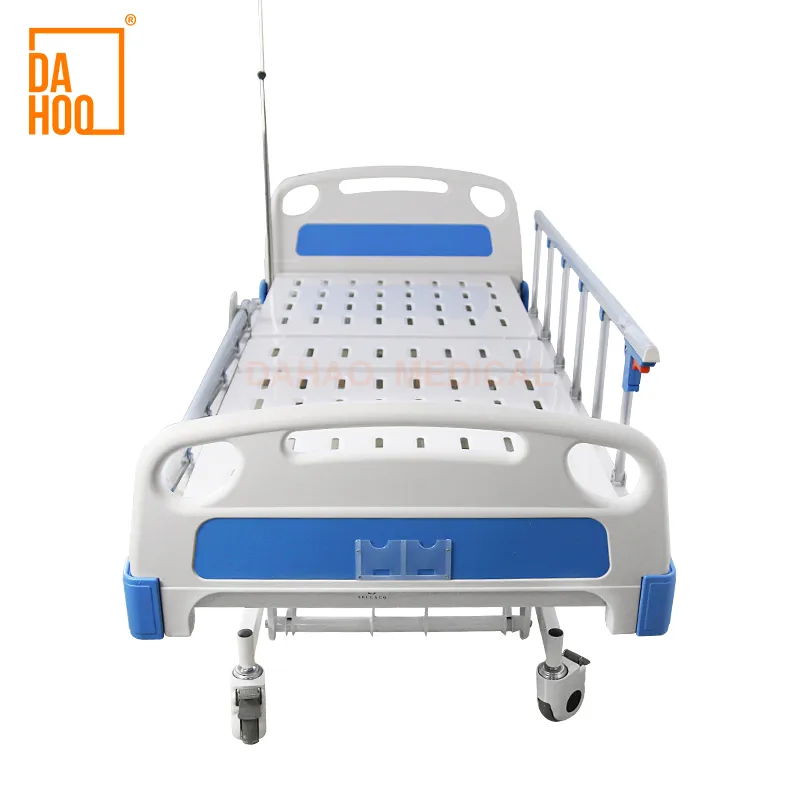
What features of medical adjustable beds do doctors look for?
Doctors and other medical professionals are generally very impressed by medical adjustable beds because they are much better designed to cater to different patient care needs.
The first function they look for is the adjustable backrest that allows patients to get into various positions, such as semi-upright. Normally it is not even possible to change body angle when a patient is lying on a regular bed, but on a modern bed with motor controls, the patient can easily get from fully supine to a semi-reclining position, which makes the bed very helpful for patients who need to be assisted when eating or reading and also for patients who need to breathe comfortably at night.
It is not only the backrest height that gets attention, but also the ability to adjust the height of the feet. Patients with leg or foot issues can get a much more comfortable support when the angle of their legs is changed. Adjusting the patient's legs also aids caregivers in certain procedures during their care.
A big factor for caregivers is a hospital bed having the capability to adjust the height. The normal height of the beds cannot be changed but adjustable hospital beds allow the user to change to a level that is comfortable for a specific type of care. When nurses or other caregivers are helping patients to roll or to be bathed or to change sheets, it is very beneficial for them if they can have the bed at a suitable height, which is not causing them to bend or straighten their spines frequently.
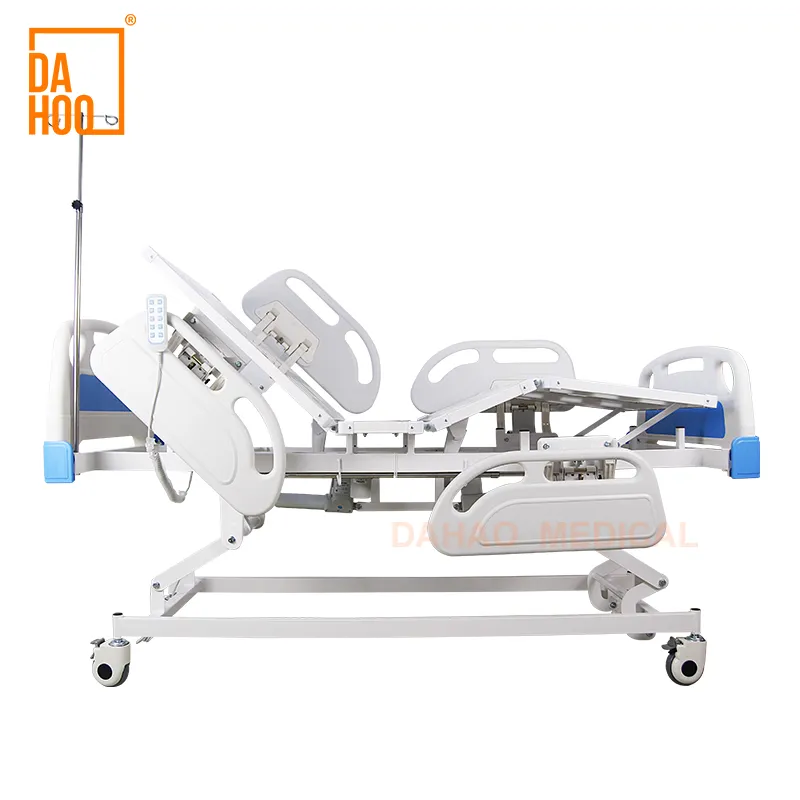
In general, the latest adjustable hospital beds can also make the patient's experience and safety much more pleasant and also protect staff against possible injuries from falls. Guardrails, smooth-rolling wheels, electric control panel, and a button to immediately stop movement are some of the features of most new hospitals' beds.
Do hospital beds and regular beds differ much?
Most parents don't know why a hospital bed is necessary instead of a normal bed. In fact, they ask, "A large and comfortable ordinary bed, if bought, would it serve the purpose?"
They have got their main differences in mind when designing. Regular beds are for the use of healthy people, the main idea being that they are nice to sleep. Hospital beds, on the other side, are used mainly people with restricted mobility who need nursing care.
One way by the beds can differentiate is structure. Hospital Bed Frames are usually designed for greater stability, hence, capable of withstanding the rigors of a daily hospital use and frequent adjustments.
Another is the way they differ is functions. Generally speaking, regular beds are not adjustable, but hospital beds offer adjustment of height, backrest, and legrest.
Third, hospital care may be easier. For those patients unable to get out of bed themselves or who require help of others, it is important the caregivers find it easy to do the bed work for them.
Hence, adjustable Beds at Hospital cannot completely replace ordinary ones but are just a special equipment that is used for certain types of care situations.
Will Doctors suggest that all elderly people need adjustable Beds at Hospitals?
Mostly, it is No.
In fact, the fact that doctors don't recommend every old patient a medical adjustable bed is just a popular belief that customers have.
The recommendation to buy an adjustable hospital bed, for example, from an elder patient, is only one of the many factors a doctor considers when deciding which medical advice to provide to you. The other factors include patient’s function level and care requirements, etc.
A typical example could be a healthy 70-year-old still able to walk, work in the shop, or do his daily chores; such person won’t get anything out of an adjustable bed that he/she couldn’t just as well get off a regular bed in the home.
On the other hand, if you have a patient who is 70 years old who is paralyzed from the waist down (such as after a stroke) and must spend a long time resting in bed being cared for by family members, then using an adjustable hospital bed could greatly improve their caregiving environment.
In other words, the following should be answered before a person decides if a hospital adjustable bed is actually needed:
Is the patient bedridden for a lengthy time?
Does the patient need help in turning over his body or getting up?
Is the patient's life at risk because of fall potential?
Does the patient require regular or intermittent caregiving?
Does the patient require rehabilitation services?
If most answers to these questions are 'yes', it is quite likely this patient could benefit from obtaining an adjustable bed.
What issues should families think of when choosing a medical adjustable bed?
Although there are a lot of advantages that come with medical adjustable beds, the choice made here depends on the unique circumstances of the patient involved.
A start would be to figure out exactly which features of the hospital bed you will need. Too many options might be a headache in the later stage of care or maintenance. For example, backrest height adjustment and bed angle adjustment may be more relevant if the main reason for buying it is that the patient is having problems with getting up, but patients who are lying in bed most of the day have their problems centered in the pressure areas where their weight is focused and thus they need a bed which supports a mattress that can prevent bedsores effectively and allows for easy nursing by caregivers.
Secondly, room size is a matter that shouldn’t be ignored. A modern adjustable bedside bed generally occupies space comparable to an adult size bed which is bigger than the normal beds, therefore, before making a purchase, it would be better if you measured the bedroom, the width of the door, and all surrounding space of the house.
Third, check that the mattress you are purchasing is compatible with the bed. Most adjustable hospital beds will require a special mattress which can flex or rotate with the bed frames. If a heavy regular mattress is used then it won't fit into a curved bed and will cause the device to perform abnormally. Hence, a medical-grade mattress which incorporates suitable flexibility and support should be selected.
Lastly, consider the product and service after-sales care. In general, such hospital-grade beds will be used for a very long time and therefore quality and durability are very important aspects in deciding which bed is better. Motor, electric system, rails, and even the whole structure of the bed would be the most important elements here.
FAQ
1. Will doctors proactively recommend purchasing medical adjustable beds?
Doctors usually don't proactively recommend them to all patients. Instead, they recommend them after assessing the patient's physical condition, care needs, and recovery progress, and if they believe a medical adjustable bed will be helpful.
2. Do elderly people always need adjustable hospital beds?
Not necessarily. Age is not the deciding factor; the key is the elderly person's mobility. If the elderly person is able to move around normally, a regular bed is sufficient; if the elderly person is bedridden for a long time or requires care, an adjustable hospital bed will be more suitable.
3. Are adjustable hospital beds suitable for home use?
Yes. More and more families are using adjustable hospital beds for home care, especially for disabled elderly people, post-operative recovery patients, and long-term bedridden patients.
4. Do adjustable hospital beds require a special mattress?
Usually yes. It is recommended to choose a medical mattress that matches the bed's adjustment functions, such as an anti-pressure ulcer mattress or a high-resilience mattress, to ensure comfort and proper functioning.
5. What is the biggest advantage of medical adjustable beds?
The biggest advantage is improved care safety and patient comfort. It helps patients adjust their posture while reducing the difficulty of operation for caregivers, making it particularly suitable for long-term care environments.