

Electric wheelchairs conjure the image for some that only seniors rely on them. Therefore, many people wonder: "At what age do most people need an electric wheelchair?" Although this question seems to inquire about age, behind it, it reveals the people's perception of the target age group of the electric wheelchair users.
In fact, medically and in rehabilitation, there is still no age limit prescribed for the electrical wheelchair. There is a 20-year-old spinal cord injury patient that might rely on the electrical wheelchair forever. In contrast, there is a muscular dystrophy-40-year-old patient that will already be fully dependent on an electrical wheelchair for the most vital of the tasks. On the other hand, lots of 80-year-olds remain mobile and do not require any sort of assistance.
That is why the main factor that decides if someone needs an electric wheelchair is not the number on a document. One’s ability and physical condition determine if they can perform the necessary actions of their daily life with or without a disability. The progression of the disease as well as the individual's living conditions are also part of this equation.
Along with the rapidly increasing age population around the world, there is growing market for power wheelchairs. According to the WHO (World Health Organization), increasing number of chronic patients, longer life expectancy, and broader rehabilitation services will lead to a higher demand of assistive devices such as wheelchairs worldwide. At the same time, electric wheelchairs today are becoming lighter, smarter, and more practical for different users thanks to continual technological upgrades.
So, at what age are most people starting to think about power wheelchairs? What conditions may prompt an individual to use wheelchair sooner? How do the requirements of people using power wheelchairs vary across different age groups? This article provides a multi-pronged discussion from the angle of medicine, rehabilitation, elderly care and practical use.
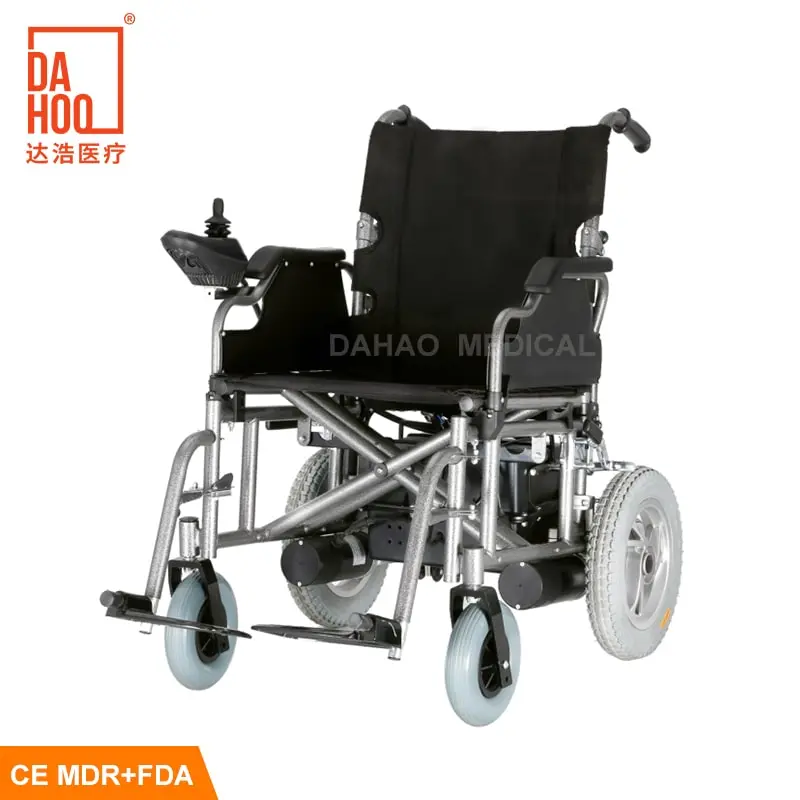
There Is No "Standard Age" For Using Electric Wheelchairs
If we insist on a single answer, then probably the most accurate one is: medically, no regulation or guideline dictates that an individual has to use an electric wheelchair at a particular age.
Many people mistakenly assume that those aged over seventy or eighty absolutely need an electric wheelchair. In reality, however, the physical condition of elderly differs largely. While a 75-year-old may keep walking several kilometers a day and even climbing a staircase, a 65-year-old with a serious joint disease may not be able to walk even 500 meters and need an electric wheelchair for getting him to places while retaining a good quality of life.
We might even say that it is wrong to think younger people cannot get used to and require electric wheelchairs because they are merely young. Spinal cord injuries, brain development problems, muscle conditions, neurological illness, and road accidents, as some factors, can easily push young people to rely completely on and even require electric wheelchairs from a very early stage in life.
Henceforth, one can say with certainty the age range at which people start and/or continue relying upon and/or even needing for that matter electric wheelchairs covers the whole spectrum, i.e., from young to elderly.
Why are the use of electric wheelchairs more common among seniors?
If one thing is for certain when the topic involves the age factor then it is that it is definitely not the only reason but the number people using an electric wheelchair definitely goes up as people get older.
When people age, they usually experience loss of muscle strength, decreasing joint flexibility, reduced balance as well as lower cardio-respiratory reserve. Many senior citizens do not even have severe illnesses yet the fatigue from walking for lengthy periods of time, falling risk and chronic pain might be enough of a reason for them to think of using an electric wheelchair.
Degenerative changes, such as age-related physical deterioration, often begin around this stage or even earlier, at least in some cases. After age 75, these types of changes become more pronounced in people. It is the overall trend of an increasing need for assisted devices for the population at large that we see rather than saying that all old people have to do that.
Moreover, seniors generally suffer from multiple chronic diseases such as osteoarthritis, osteoporosis, cardiovascular disease and diabetes, which together might significantly impact the walking ability, thus, electric wheelchair becomes an essential means for quality of life improvement.
What types of diseases are responsible for the use of a power wheelchair rather than age?
Clinically speaking, diseases are often a factor that is more important than age.
For example, a person suffering from severe arthritis might be fully aware of his/her condition; however, if pain in the knees and hips is so severe that walking a few dozen meters is a source of great pain, he/she could be quite comfortable with using a power wheelchair since it significantly alleviates the pressure on those joints besides offering the ability to move.
As far as rehabilitation after stroke is concerned, it is the case that some people do not lose the ability to walk and regain it after rehab training while others do become disabled and require power wheelchair for even simplest daily tasks.
The scenario is even more obvious in patients suffering from spinal cord injuries. It doesn't matter to them if they are young or old, they will be advised to use an electric wheelchair at home, provided, their lower limbs mobility is very limited and/or lost.
Moreover, patients suffering from Parkinson's disease, multiple sclerosis, ALS, muscular dystrophy, and cerebral palsy may be in a situation at some stage that will require them to start using an electric wheelchair to be a bit more independent without assistance.
In short, as per the viewpoint of rehabilitation medicine, the requirement for electric wheelchair use is mainly based on the presence of disability or the result of one's medical conditions rather than on the patient's age.
Using an Electric Wheelchair Depends on the Need Arising Due to One's Age
While electric wheelchairs are for people of all ages, the reasons behind the purchase or the use of such equipment vary across different age groups.
Children will mostly be users if they get electric wheelchairs for cerebral palsy and other brain or spine malformations, neuromuscular disorders, and other conditions that affect the movement of the legs. This kind of equipment not only allows them to be independent but also enables the child to attend school and participate with their peers socially.
Among the young, common reasons leading to electric wheelchair reliance include sports injuries, traffic accidents, spine injury and diseases of the spine being among them. Users typically prioritize the features of the wheelchair including the speed, maneuvering and battery life, along with its portability, so that they don't miss out on activities that they enjoy such as work, study and going out.
Mid-life adults may have more issues of musculoskeletal system, such as rheumatoid arthritis (RA), neurological disorders leading to motor disabilities, or gradual worsening of the motor function for which an electric wheelchair could be an excellent mobility solution. They usually value the comfort, stability and the riding experience for extended periods most highly.
Riding or at least using an wheelchair for elderly is not only about mobility but the wheelchair will allow the elderly to carry out daily tasks such as shopping, going for walks, seeking medical advice, or participating in community activities. As such, factors like ease of use, safety, reliability, and maintenance of the product will naturally influence their selection.
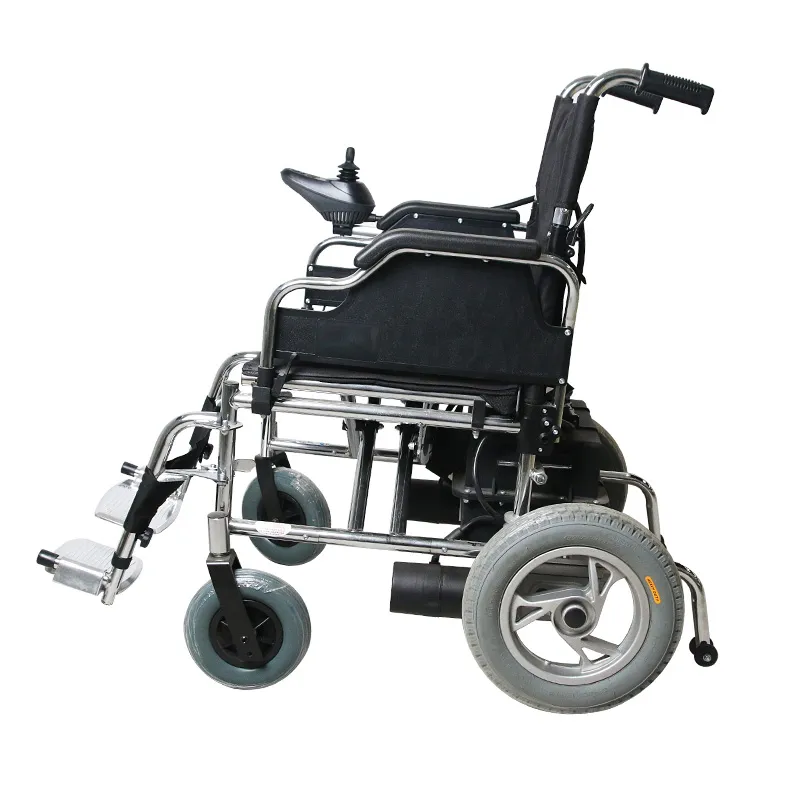
Why are more and more elderly people choosing power wheelchairs?
As time passes and more and more older folks become aware of the benefits of using a power wheelchair, their choice to get one is also likely affected by their attitude towards such devices. In the past, quite a number of elderly people were actually quite against using a wheelchair because they would feel it means “I am really old and weak” and/or “my legs can’t handle me anymore.”
But such perceptions are being turned around these days quite rapidly and dramatically.
Elderly folks are now coming to see that not only is a chair like this not an acknowledgment of failure, decline, or loss but actually the best way to retain their independence for as long as possible. Forgetting that walking in spite of fatigue or even physical pain might lead to injury which would only worsen their condition.
Conversely, if power wheelchairs are well used then the elderly could become less tired, make regular outings, stay social and even experience improvements in their mental well-being to an extend. For quite a number of older people to be able to take a power wheelchair to the park for a walk, go shopping at a supermarket or visiting friends is their own definition of being an active member in the society.
Hence, the aging population is gradually being introduced to the notion of "assisting rather than replacing" and power wheelchairs have become an essential tool for helping them to keep their independence.
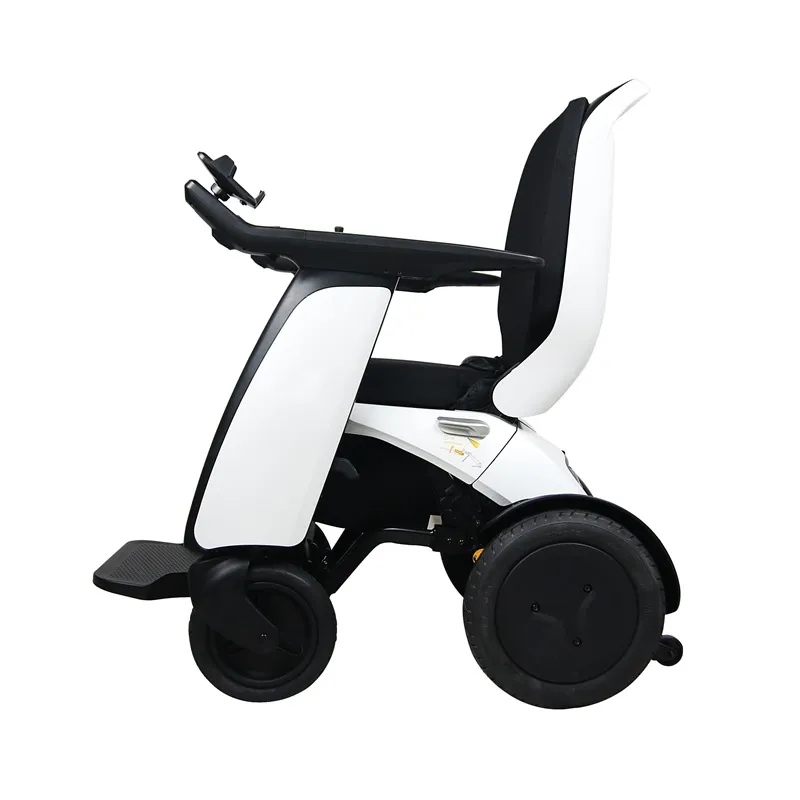
How early to use electric wheelchairs?
There are no specific guidelines.
Timely usage may result in significant benefits for persons with substantial mobility issues who are finding long walking very tedious or a burden to their health. One example of benefit would be reduced falls risk, physical strain and expanded activity range, leading to greater opportunities to attend social and community events.
However, for those who still get around without any difficulty, it is discouraged to depend completely on an electrical wheelchair for convenience. Long-term lack of walking may contribute to a further decline in muscle strength which would be harmful to physical function maintenance.
Therefore, during the treatment of rehabilitation therapists advise patients with physical disabilities to take into account their capabilities when doing activities. For instance, one can walk and run at a normal pace or participate in sports during leisure time, while an electric wheelchair can be used to make an outing or cover long distances that will also allow them to rest and conserve energy between activities.
How to determine if you are the right person for an electric wheelchair?
Some users just do not know where to draw the line regarding when a wheelchair should be used.
Numerous indicators can be used to get a basic estimation. If you are so exhausted and sore after a long walk that it becomes an excuse not to go out any more or you are getting used to the frequent breaks from physical pain, it might be your mobility that is the biggest problem.
In case of reduced outings or fear of falling, which has been a problem for you, or if you are being pushed by family members in a wheelchair for shopping, medical checkups or community activities etc., you can seriously assess if an electric wheelchair is needed to increase your independence.
Moreover, if a doctor or physiotherapist suggests that the long-term reliance on an electric wheelchair would help decrease the physical burden and increase one's ability to get more out of life and if they recommend a suitable electric wheelchair to be acquired immediately, that is a scientifically sound decision.
Electrical WheelChair Selection Based on Different Age Groups
Different age groups place different focuses on the features of electric wheelchairs.
Young people usually want the wheelchair to have more battery life and smart functions while also being convenient folding and a good-looking product in hopes of it allowing them to work and play effectively with it as an accessory to their lifestyle.
Adults would like them to have good comfort, durability, and also be able to get them from one location to another safely, so they could use them without worries in the long run.
It is advised that the elderly focus on operability, safety, and such features as anti-roll wheels, electromagnetic brakes, etc., for example and whether it comes with a good seat. Besides, the height of the seat and the design of the armrest as well as the ease of getting in and out of the chair is also very important. A seat that is fitted to the body height of a long-term user can be a nice idea, and if one is able to adjust seat width, seat depth, backrest angle, and height of footrest according to one's size it is quite a comfortable experience in the long term.
The Benefits Of Electric WheelchairsGo Beyond Just Helping With Mobility
The ideas of modern rehabilitation medicine are now leaning in the direction of emphasizing the improvement of lifestyle and quality of life, not just disease or disability control.
Actually, a number of individuals who experience mobility restrictions for a long time, do not face their biggest challenge in walking but instead in being actively involved in living. By getting users a means of being independently mobile, electric wheelchairs allow them to, for instance, continue work or study and even travel and shop and socialize.
Many patients said the biggest benefit from using an electric wheelchair was not just being more comfortable and relaxed physically, but that they were regiven the confidence in their lives as independent beings. As a result, this mental upliftment is very helpful and motivating for the patients to carry on with their lives both chronically ill and elder. Hence, the consideration for the use of an electric wheelchair should not center in age but whether through its use one can maintain a vibrant and healthy and also living independently.
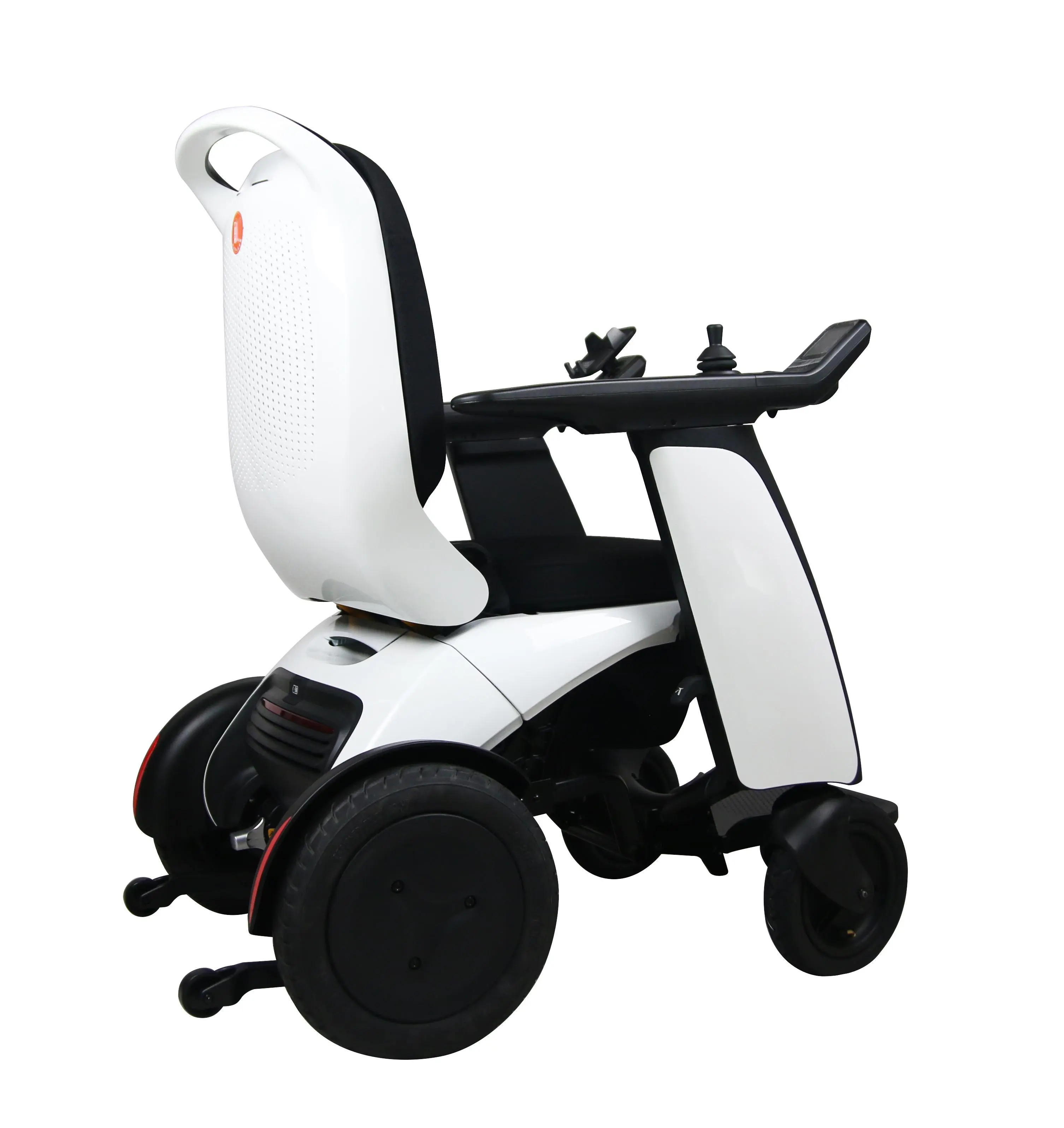
FAQ
1. What is the age of the majority when people start to use power wheelchairs?
In fact, age is not the only determinant here. Although, generally speaking, a much higher proportion of people over 65 use power wheelchairs than younger people, the real reason someone gets an electric wheelchair has more to do with limitations in movement, health problems, and personal lifestyle requirements rather than age itself.
2. Can teenagers also be users of electric wheelchairs?
Situation can be this way indeed. A variety of serious injuries or chronic diseases e.g., spinal cord injury, Cerebral Palsy, Muscular Dystrophy, neurological diseases, car accidents, etc. can lead to children or teenagers or even middle-aged persons depending on power wheelchair. Hence, we can say electric wheelchairs are definitely not only for old people.
3. At what stage should senior people be thinking of getting a power wheelchair?
If a person’s capacity to walk has diminished substantially, long activities lead to physical exhaustion, a person is always afraid of falling or if a person’s daily life activities require assistance then a power wheelchair may be chosen for him/ her with the advice of a doctor or a professional physiotherapist, which could be a great way to enhance his / her mobility and overall lifestyle.
4. Is it true that using an electric wheelchair will get you in worse health?
Of course not, as long as you use it properly. Electric wheelchairs can help a lot people with mobility issues decrease the chances of injury from falls and reduce the amount of the physical work required. It is better to accompany wheelchair use with physical rehabilitation, walking exercises, or upper limb exercising to ensure physical strength and general health and minimize the negative aspects of sedentary life if you decide to use a wheelchair for the majority of moving around.
5. How to pick a power wheelchair to your satisfaction?
First off, the physical condition of yourself needs to be considered. You can choose your power wheelchair which is best fit for you by considering the different aspects of your own body, area of your regular activities, living surroundings, the capability of the battery, the overall size of the wheelchair, its loading capacity, etc. Moreover, a very big factor deciding the purchase of electric wheelchair is to rely on the recommendation of the doctors and professional physiotherapists or expert assistive device advisers to name just a few.
